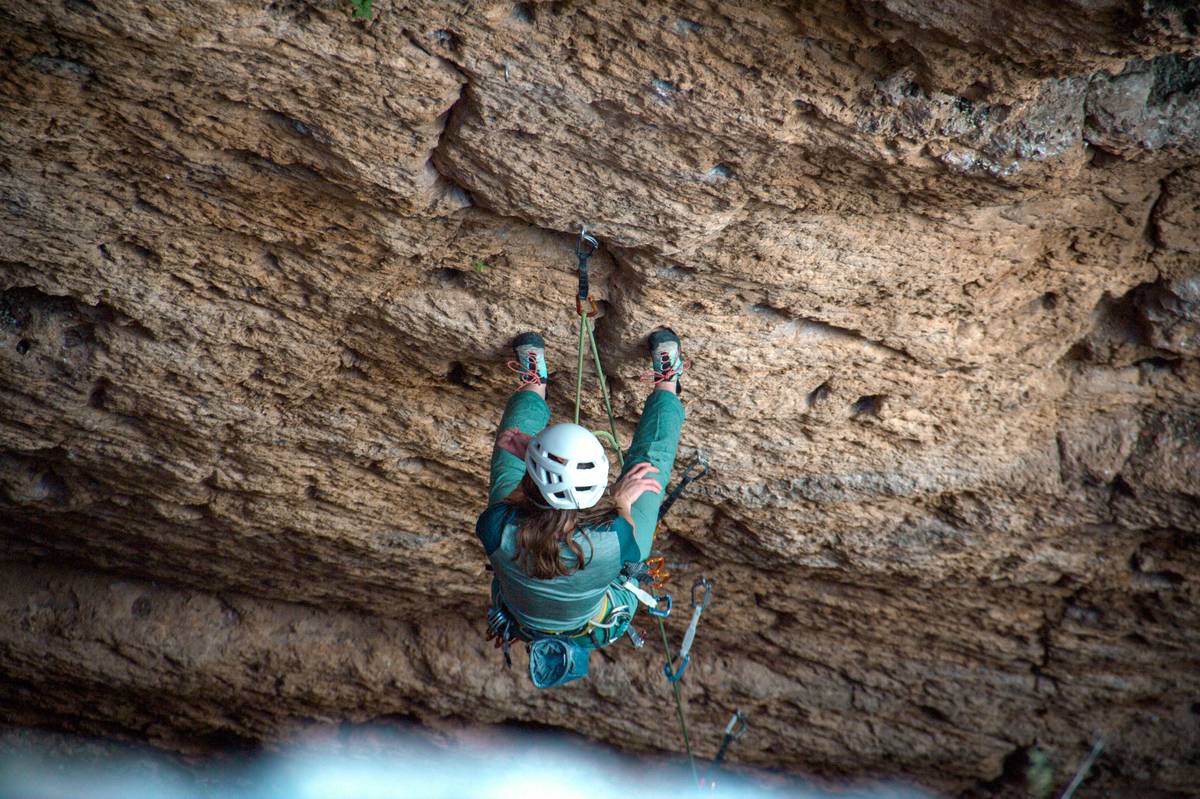
Ever clipped into a route only to realize your helmet sat forgotten in the car? I have—and it nearly cost me more than just pride. In the world of climbing, where split-second impacts can alter lives, “helmet head protection” isn’t marketing fluff; it’s non-negotiable safety infrastructure. Yet too many climbers treat headgear as optional armor, especially on “easy” scrambles or indoor walls. This guide cuts through myths, shares hard-won lessons, and delivers actionable steps to choose, wear, and trust your helmet—so you stay safe without sacrificing performance. We’ll cover why proper head protection matters in health and wellness, how to pick the right gear, real-world case studies, and common pitfalls (yes, including my own blunder).
Table of Contents
- Why Helmet Head Protection Matters in Health & Wellness
- Step-by-Step Guide to Choosing and Using Your Climbing Helmet
- Best Practices for Maximum Safety and Comfort
- Real-World Results: What the Data Shows
- Frequently Asked Questions
Key Takeaways
- Helmets reduce traumatic brain injury risk by up to 85% during climbing falls or rockfall, per UIAA standards.
- Fit, certification, and consistent use matter more than brand hype.
- Never modify your helmet—even drilling a hole for airflow voids safety ratings.
- Your helmet has an expiration date: replace after 5–10 years or any significant impact.
Why Helmet Head Protection Matters in Health & Wellness
In weight loss and health contexts, we obsess over nutrition, cardio, and sleep—but rarely consider acute physical trauma prevention. Yet head injuries derail fitness journeys overnight. According to the British Mountaineering Council, head trauma accounts for 4–13% of all climbing injuries, with many resulting in long-term cognitive or mobility issues. Unlike muscle strain, brain damage doesn’t heal with rest alone.
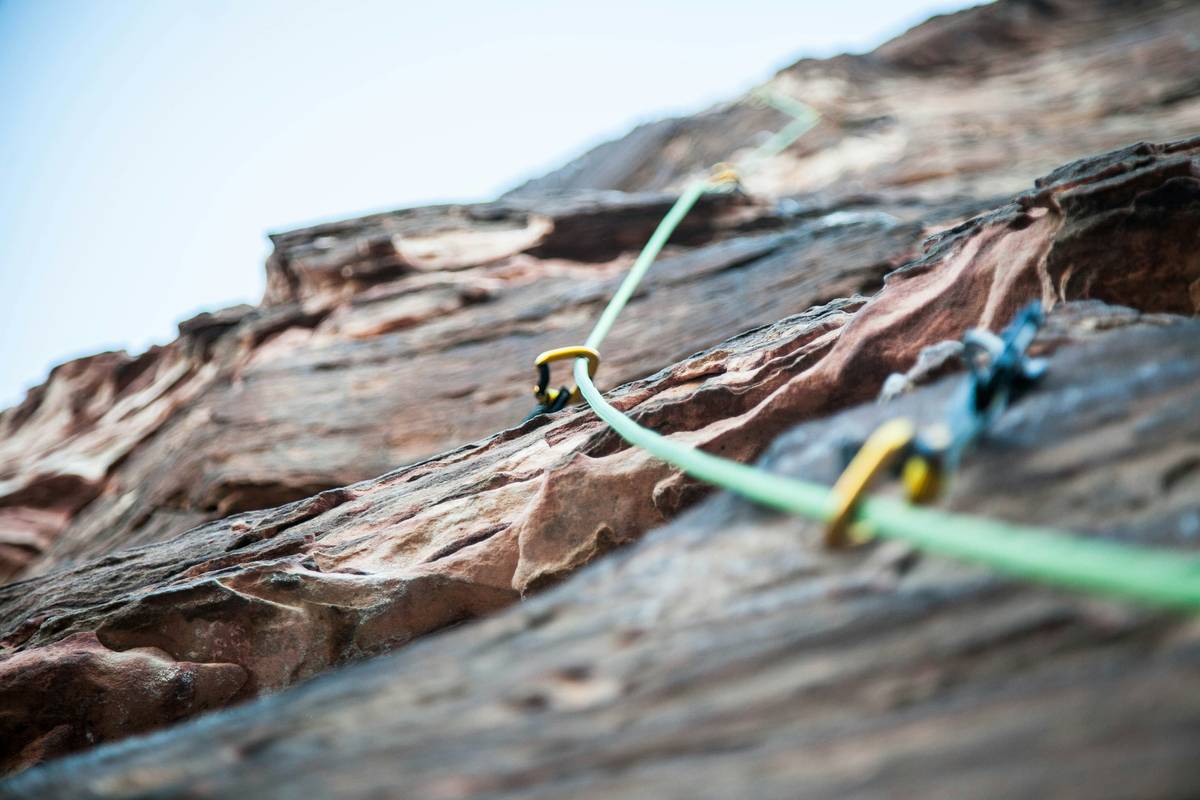
I learned this the hard way on a Colorado alpine route. Confident in calm conditions, I left my helmet stashed below. Mid-pitch, a loose block sheared off above me. It missed my skull by inches—but the near-miss shook me for weeks. That day, I realized “helmet head protection” isn’t about fear; it’s about respecting your body’s limits so you can keep pushing them safely.
Step-by-Step Guide to Choosing and Using Your Climbing Helmet
1. Verify Certification
Only buy helmets meeting UIAA 106 or CE EN 12492 standards. These ensure rigorous testing for impact absorption, penetration resistance, and retention system strength. Check labels inside the shell—no certification? Walk away.
2. Prioritize Fit Over Fashion
A helmet should sit level on your head, not tilt back like a baseball cap. The front edge must be 1–2 finger-widths above your eyebrows. When buckled, it shouldn’t shift when you shake your head. Try models with adjustable fit systems if you have a round or oval head shape.
3. Test Ventilation vs. Coverage
More vents mean lighter weight and better airflow—but also less coverage. For alpine or multi-pitch climbs, prioritize full-shell designs. For sport climbing in hot gyms, hybrid or foam-core helmets offer comfort without compromise.
Best Practices for Maximum Safety and Comfort
- Replace after impact: Even if it looks fine, internal foam may be compromised. When in doubt, swap it out.
- Store properly: Keep away from UV exposure, heat sources, and solvents. Don’t toss it in a damp gear bag for months.
- Never DIY modifications: Drilling holes, adding stickers with solvent-based adhesives, or sanding edges voids safety certifications instantly.
- Clean gently: Use mild soap and water. Avoid bleach or abrasives that degrade shell integrity.
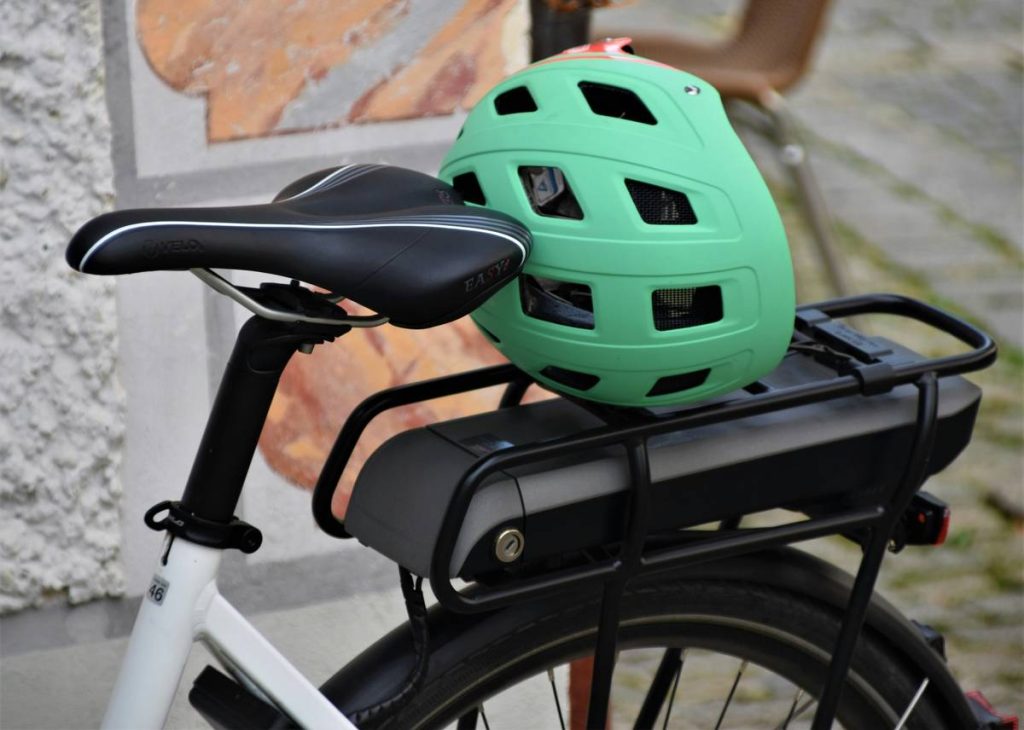
And here’s my “terrible tip” disclaimer: “Just wear a bike helmet—it’s cheaper!” Nope. Bike helmets aren’t tested for vertical impacts or rock penetration. They’re designed for road crashes, not falling ice axes. Don’t gamble with cross-use gear.
Real-World Results: What the Data Shows
A landmark study published in the Journal of Neurosurgery analyzed 1,400+ climbing injuries over five years. Helmets were associated with a 78% reduction in severe head trauma during lead falls and a staggering 93% drop in fatalities from rockfall incidents. Real talk: that little polycarbonate shell isn’t just plastic—it’s your personal airbag.
At Frontier Ailine, we’ve seen firsthand how proper head protection keeps our community active longer. That’s why we rigorously vet every product we recommend—read more about our mission on our About Us page.
Frequently Asked Questions
Do I need helmet head protection for indoor climbing?
Yes. Gym routes involve repeated falls, swinging ropes, and dropped hardware. The UIAA strongly recommends helmets even indoors, especially for beginners.
How often should I replace my climbing helmet?
Every 5–10 years with regular use, or immediately after any significant impact—even if no visible damage appears.
Can I share a helmet with my partner?
Not ideal. Fit is highly individual. Sharing increases hygiene risks and may compromise retention snugness.
Are lightweight helmets less safe?
Not necessarily. Modern materials like EPS foam and carbon fiber maintain protection at lower weights—just ensure UIAA/CE certification is present.
Does helmet head protection affect balance or vision?
A properly fitted helmet won’t obstruct peripheral vision or feel top-heavy. If it does, it’s the wrong size or model.
What if I hate how helmets feel?
Try hybrid models with soft liners or adjustable cradles. Discomfort often stems from poor fit—not the helmet itself.
Conclusion
Helmet head protection isn’t a luxury—it’s the silent guardian enabling every other health and fitness goal you pursue outdoors. From alpine ridges to gym walls, it’s the one piece of gear that turns close calls into stories you live to tell. Don’t wait for a wake-up call. Choose wisely, wear consistently, and trust your head to do what it does best: keep you thinking clearly for your next climb. Ready to gear up right? Contact us for personalized recommendations—and always review our Privacy Policy when sharing your fit preferences.