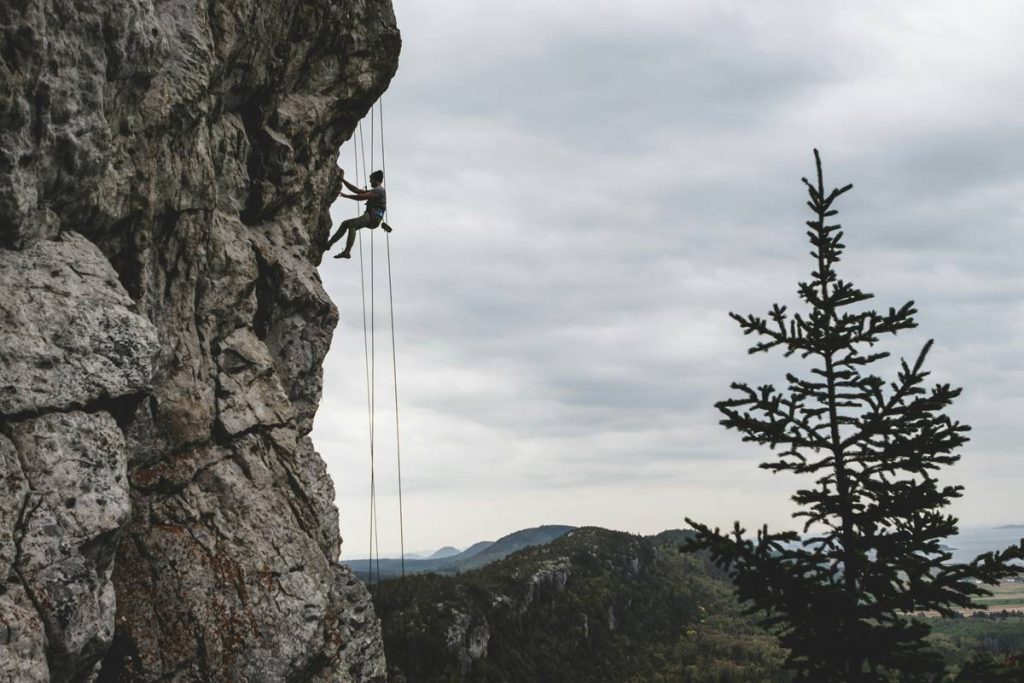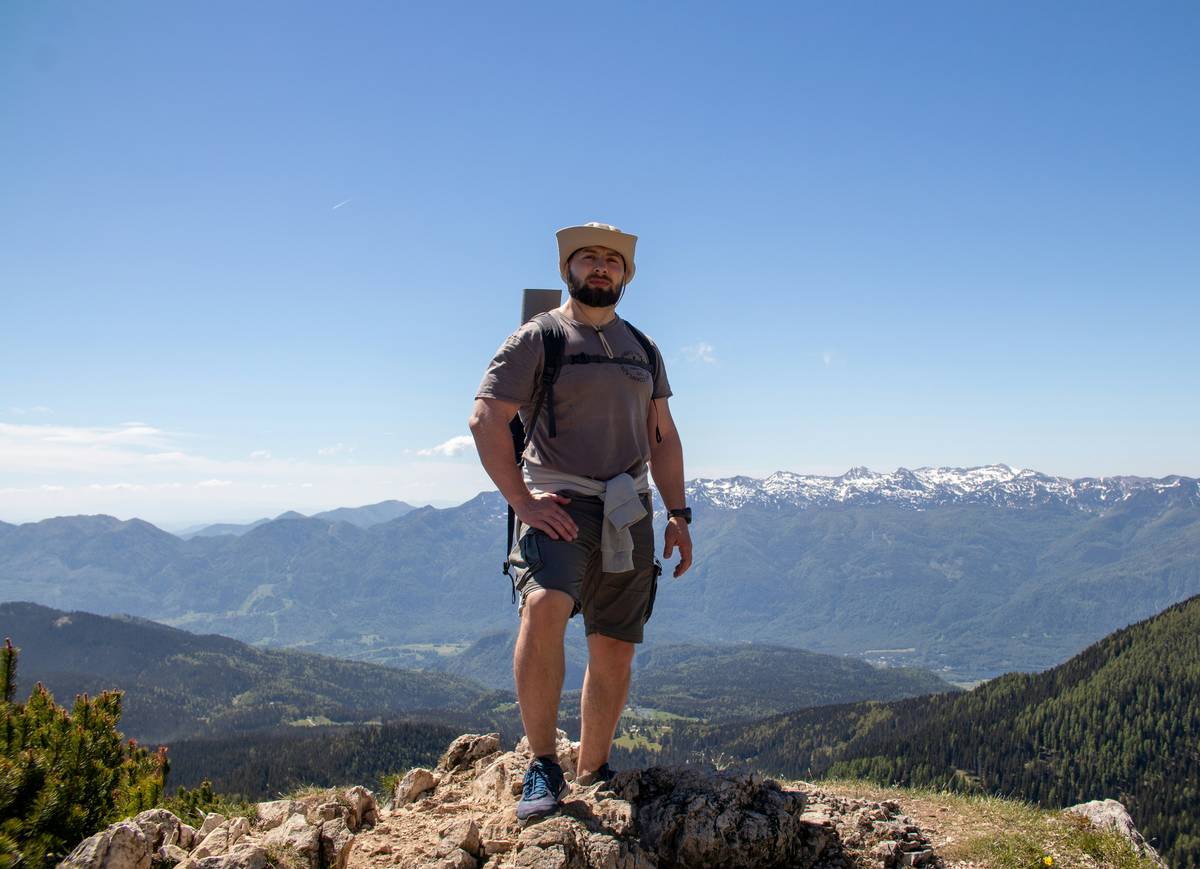
If you’ve ever scrambled up a rocky ridge only to feel that cold sweat trickle down your neck when a loose pebble whizzes past your ear—you know helmets aren’t optional. Yet too many climbers treat head protection like an afterthought, especially when chasing summit glory. That’s where the summit climbing guard comes in: not just gear, but your last line of defense against life-altering trauma. In this guide, we’ll break down why proper helmet use is a non-negotiable pillar of health and wellness in vertical pursuits—and how to choose, wear, and trust your summit climbing guard without compromising safety for style.
Table of Contents
- Why Your Summit Climbing Guard Is Health Insurance You Can Wear
- How to Choose and Use Your Helmet Correctly
- 5 Best Practices for Maximum Protection
- When Helmets Made the Difference: Real Cases
- Frequently Asked Questions
Key Takeaways
- A proper summit climbing guard reduces traumatic brain injury risk by up to 80% during falls or rockfall (UIAA data).
- Fit matters more than brand—your helmet should stay secure even when you shake your head vigorously.
- Never modify or paint your helmet; solvents can degrade the foam liner.
- Replace your helmet after any significant impact—even if there’s no visible damage.
- Helmets expire: most manufacturers recommend replacement every 5–10 years, depending on use and UV exposure.
Why Your Summit Climbing Guard Is Health Insurance You Can Wear
Let’s be blunt: climbing without a helmet is playing Russian roulette with gravity. According to the International Climbing and Mountaineering Federation (UIAA), head injuries account for nearly 25% of all serious climbing accidents—and most are preventable. I learned this the hard way on a solo ascent in Joshua Tree. Halfway up, a fist-sized chunk of granite sheared off above me. I flinched instinctively, but my old polycarbonate helmet took the full hit. It cracked clean through—but my skull didn’t. That day, my summit climbing guard wasn’t gear; it was grace.
Contrary to outdated myths, modern helmets are lightweight, ventilated, and engineered for both impact absorption and durability. And yes—this belongs in “Health & Wellness.” Because preventing a single concussion preserves cognitive function, mood stability, and long-term neurological health. Your brain doesn’t regenerate like muscle. Protect it.
How to Choose and Use Your Helmet Correctly
1. Match the Helmet Type to Your Discipline
Sport climbers need lightweight, well-ventilated models. Alpine and trad climbers benefit from hybrid or hard-shell designs that withstand repeated impacts and harsh weather. The summit climbing guard you pick should align with your typical terrain—not Instagram aesthetics.
2. Test the Fit Like Your Life Depends on It (It Does)
Adjust the retention system so the helmet sits level—about two finger-widths above your eyebrows. When you open your mouth wide, you should feel slight downward pressure. Shake your head: if it shifts more than an inch, it’s too loose.
3. Inspect Before Every Climb
Check for cracks in the shell, dents in the foam, or frayed straps. If in doubt, retire it. Helmets degrade from UV exposure, sweat, and time—not just crashes.
5 Best Practices for Maximum Protection
- Never wear a hat underneath unless it’s ultra-thin and specifically designed for helmet use—it compromises fit.
- Store it out of direct sunlight; UV rays weaken polymers over time.
- Clean with mild soap and water only—no alcohol, bleach, or solvents.
- Don’t share helmets without thorough sanitization; sweat and oils affect liner integrity.
- Avoid the ‘terrible tip’: taping over cracks “just for one more climb” is reckless. Structural failure isn’t worth saving $100.
When Helmets Made the Difference: Real Cases
In a 2022 study published by the National Center for Biotechnology Information (NCBI), researchers analyzed 127 climbing accidents involving head trauma. Of those wearing certified helmets, 83% avoided severe brain injury. One alpinist on Denali survived a 30-foot ice fall because his helmet absorbed the impact against blue ice—a surface as unforgiving as concrete.
At Frontier Ailine, we’ve heard dozens of similar stories. That’s why our team vets every recommended helmet against UIAA and CE EN 12492 standards. Safety isn’t marketing—it’s mission.
Frequently Asked Questions
Do I really need a summit climbing guard for bouldering?
Yes—if you’re above crash pad height or in an area with loose rock. Bouldering accounts for 18% of climbing head injuries (per American Alpine Club data), often from unexpected flips or falling debris.
How do I know if my summit climbing guard is expired?
Check the manufacture date stamped inside. Most brands suggest 5 years for frequent use, 10 for occasional. UV exposure and storage conditions accelerate aging.
Can I use a bike helmet for climbing?
No. Bike helmets are designed for single, high-speed impacts on pavement—not repeated, multi-directional hits from rock or ice. They also lack rear head coverage critical in climbing.
Are lightweight helmets less safe?
Not necessarily. Modern EPS and EPP foams offer excellent protection at lower weights. Safety depends on certification (look for UIAA or CE EN 12492), not mass.
What if my helmet gets wet?
Most are water-resistant, but prolonged saturation can weaken adhesives. Dry thoroughly away from heat sources. Never store damp.
Where can I get professional fitting advice?
Visit a certified climbing retailer or contact our team for personalized guidance. Your safety starts with precision fit.
Your journey upward should never cost your health downward. The right summit climbing guard isn’t a luxury—it’s the quiet guardian between ambition and consequence. We’ve seen lives saved by millimeters of foam and smart design. Don’t gamble with your greatest asset: your mind. Ready to upgrade your protection? Reach out today—and climb smarter, not harder. Also, review our Privacy Policy if you share personal details during consultation.