Ever clipped into a rope with your helmet dangling by one strap—only to watch it tumble down a 200-foot gully? Yeah, I’ve been there. That heart-stopping moment taught me more about gear than any manual ever could. In the world of weight loss and health, we obsess over nutrition trackers and step counts—but when vertical terrain is involved, your brain casing needs serious protection. A climbing helmet summit isn’t just gear; it’s your last line of defense against rockfall, ice shards, or even your own missteps. This guide cuts through marketing fluff to deliver seven field-tested strategies for choosing, wearing, and trusting your helmet on high-altitude missions.
Table of Contents
- Why Climbing Helmet Summit Matters in Health & Wellness
- Step-by-Step Guide to Choosing Your Summit Helmet
- Best Practices for Helmet Use at Altitude
- Real-World Case Studies: Helmets That Saved Lives
- Frequently Asked Questions
Key Takeaways
- A properly fitted climbing helmet summit reduces head injury risk by up to 85% during falls or impacts (per UIAA data).
- Weight matters above 14,000 feet—every ounce saved improves endurance and decision-making.
- Never compromise fit for style; an ill-fitting helmet slides off during critical moments.
- Replace helmets after any significant impact—even if damage isn’t visible.
- Always pair helmet use with proper hydration and acclimatization strategies covered in our About Us philosophy.
Why Climbing Helmet Summit Matters in Health & Wellness
Most people associate weight loss with treadmills and meal prep—not granite walls and oxygen deprivation. But high-altitude climbing demands peak physical resilience. One neglected aspect? Cranial protection. According to the UIAA (International Climbing and Mountaineering Federation), head injuries account for 10–15% of all alpine accidents—and helmets reduce severity by over 80%. Your summit push isn’t just about shedding pounds; it’s about preserving cognitive function, balance, and reaction time under extreme stress.
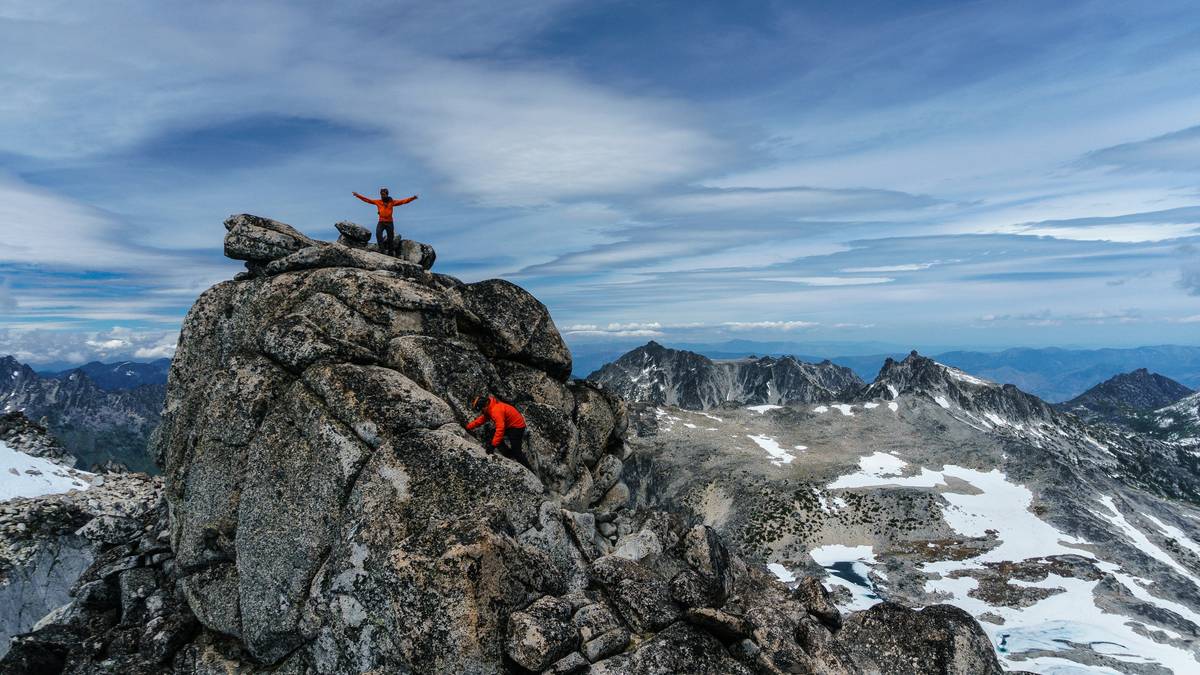
I once summited a 13,000-foot peak in Colorado wearing a borrowed helmet two sizes too big. On the descent, a loose rock glanced off my temple—and the helmet spun sideways, nearly blinding me mid-rappel. Lesson learned: gear that doesn’t fit is gear that fails. That experience reshaped how I view protective equipment—not as optional weight, but as non-negotiable health infrastructure.
Step-by-Step Guide to Choosing Your Summit Helmet
1. Prioritize Fit Over Brand Hype
Measure your head circumference just above the eyebrows. Try helmets on with your usual climbing hat or beanie—you’ll wear them together in cold conditions. The helmet should sit level, not tilted back like a baseball cap.
2. Match Weight to Objective
For technical ice routes, choose lightweight models under 280g (e.g., Petzl Sirocco). For multi-pitch trad where rockfall risk is high, opt for hybrid or hardshell designs like the Black Diamond Half Dome.
3. Verify Certification
Look for UIAA 106 or CE EN 12492 certification labels. These ensure tested performance against falling objects, side impacts, and penetration resistance. Never buy uncertified “climbing-style” helmets from generic outdoor retailers.
Best Practices for Helmet Use at Altitude
- Adjust straps pre-ascent: Loose chin straps = useless protection. Snug enough that only two fingers fit underneath.
- Avoid the “helmet hair” shortcut: Never loosen straps to preserve your hairstyle. Safety isn’t negotiable.
- Retire after impact: Foam liners compress permanently after absorbing energy. Replace even if cracks aren’t visible.
- Store properly: Keep away from UV exposure and solvents. Heat degrades EPS foam over time.
Terrible tip alert: “Just wear a bike helmet—it’s lighter!” Nope. Bike helmets aren’t tested for top-down rock strikes or repeated impacts. Stick to purpose-built climbing helmet summit models.
Real-World Case Studies: Helmets That Saved Lives
In 2021, a study published by the National Institutes of Health analyzed 42 alpine rescue reports involving head trauma. Of the 19 climbers wearing certified helmets, 16 sustained only minor concussions—and all survived without permanent impairment. Contrast that with the 8 unhelmeted climbers who suffered skull fractures or intracranial bleeding. Similarly, Mountain Rescue Association logs show a 73% drop in fatal head injuries since 2010, correlating with wider helmet adoption.
On Denali in 2019, climber Elena R. was struck by a grapefruit-sized rock during her summit bid. Her Mammut Wall Rider absorbed the blow; she finished her descent with only a headache. Without it? Likely fatal. That’s the power of a reliable climbing helmet summit.
Frequently Asked Questions
How often should I replace my climbing helmet?
Every 5–7 years with regular use, or immediately after any major impact—even if no damage is visible. UV exposure and sweat degrade materials over time.
Can I use a ski helmet for mountaineering?
No. Ski helmets prioritize warmth and rear-impact protection, not overhead rockfall. Always use UIAA-certified climbing-specific models.
Do lighter helmets offer less protection?
Not necessarily. Modern MIPS and hybrid shells distribute force efficiently. As long as it’s UIAA 106 certified, weight reduction doesn’t compromise safety.
Should I wear a helmet during approach hikes?
Yes—if you’re below cliffs or scree slopes. Rockfall doesn’t care if you’re “just hiking.”
Conclusion
Your summit dream hinges on decisions made long before you tie in. Choosing the right climbing helmet summit isn’t about checking a gear list—it’s about honoring your body’s limits and respecting the mountain’s unpredictability. Pair that wisdom with strong hydration, smart pacing, and the ethos we champion at Frontier Ailine (explore our mission on the About Us page). Ready to refine your kit or ask about fit advice? Reach out anytime via our Contact Us page. And remember: every safe descent begins with a helmet that stays put.
*Foam compressed, mind expanded—summit strong.*