You trust your climbing gear. You check your ropes, test your harness, inspect your carabiners. But what about your helmet? Most climbers treat it like an afterthought—until something falls from above. And by then, it’s too late. The right helmet guard peak doesn’t just shield your head—it redefines how you move, see, and survive on vertical terrain.
Most Climbing Helmets Fail Where It Matters Most
They look tough. They pass CE and UIAA standards. Yet dozens of near-miss reports each year cite the same flaw: inadequate frontal protection. Standard helmets focus on top-impact absorption—but rockfall, ice shards, or even a swinging tool usually strike at an angle. That’s where the forehead and brow zone become critical.
And here’s the uncomfortable truth: many popular models skimp on coverage to save weight or improve ventilation. Great for summer cragging. Terrible in alpine zones or multi-pitch routes where debris comes sideways.
Choosing and Optimizing Your helmet guard peak: A Tactical Guide
Know Your Threat Profile
Alpine? Ice? Indoor gym? Each demands different peak geometry. A deep, extended visor-like brim stops glancing blows on mixed routes. A minimal peak improves headlamp clearance in caves or cracks.
Fit Over Function (But Only If Both Align)
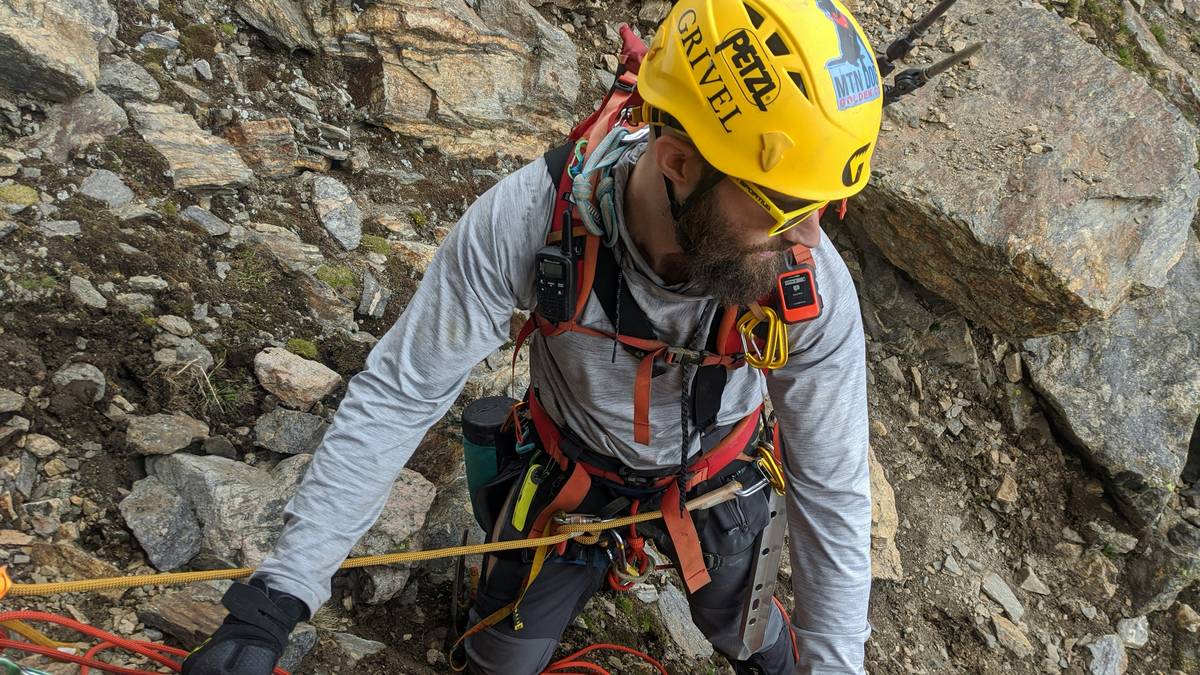
No amount of armor helps if the helmet rides up when you tilt your head. The helmet guard peak must sit low enough to protect your orbital ridge—but not so low it blocks peripheral vision. Try it with your goggles and headlamp mounted.
Material Matters More Than You Think
Polycarbonate shells resist cracking on sharp granite edges. Hybrid EPS/EPP liners recover better after repeated micro-impacts. Don’t assume “lighter = safer.” Sometimes 40 extra grams buy you life-saving coverage.
| Helmets Type | Peak Coverage (mm) | Weight (g) | Ideal For | Limitations |
|---|---|---|---|---|
| Ultralight Sport | 15–20 | 180–220 | Sport climbing, gyms | Poor side/frontal debris defense |
| All-Mountain Hybrid | 25–35 | 260–310 | Trad, alpine, scrambling | Slightly bulkier under hoods |
| Expedition-Grade | 40–50 | 340–390 | Ice, big walls, Himalayan routes | Reduced airflow; overkill for short crags |
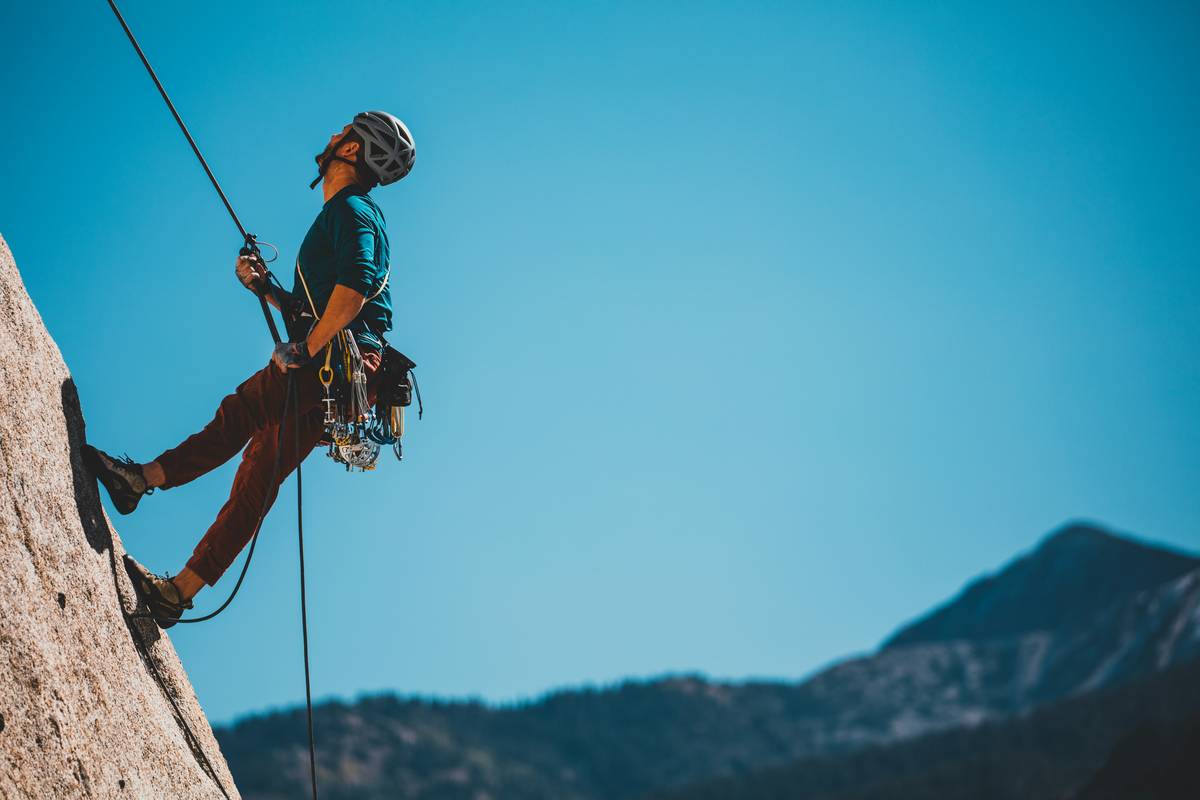
The Industry Secret: Your Helmet’s Peak Is a Sensor Array
Top alpine guides don’t just wear helmets—they use them. The helmet guard peak acts as an early-warning system. When ice crystals ping off the brim? That’s your cue to move faster. When wind whistles under the peak? Storm’s coming. This tactile feedback loop is rarely discussed in manuals—but veterans rely on it daily.
Think about it: your helmet isn’t passive armor. It’s an extension of your situational awareness. The moment you treat that peak as more than plastic, your risk calculus changes entirely.
FAQ
Does a larger helmet guard peak obstruct vision?
No—if properly fitted. Quality designs slope downward without entering your field of view. Always test with head tilted 30° upward.
Can I retrofit an existing helmet with a better peak?
Not safely. Peaks are molded into the shell’s load path. Aftermarket mods compromise structural integrity during angled impacts.
How often should I replace my climbing helmet?
Every 5 years—or immediately after any significant impact, even if no visible damage appears. UV exposure degrades polymers silently.