If you’ve ever clipped into a rope with a frayed chin strap or ignored that hairline crack in your helmet after a minor fall, you’re not alone—but you’re also playing Russian roulette with your skull. In the high-stakes world of alpine climbing and mountaineering, head protection isn’t optional gear; it’s non-negotiable armor. And when it comes to reliable defense, nothing beats a properly chosen and maintained peak helmet shield. This guide cuts through marketing fluff to deliver field-tested advice that could literally save your brain.
Table of Contents
- Why Peak Helmet Shield Matters for Your Health & Safety
- Step-by-Step Guide to Choosing & Using Your Helmet
- Top Best Practices for Maximum Protection
- Real-World Examples That Prove It Works
- Frequently Asked Questions
Key Takeaways
- A certified peak helmet shield reduces traumatic brain injury risk by up to 85% during falls or rockfall (per UIAA standards).
- Never use a helmet more than 5–10 years—even if it “looks fine.” Material degrades invisibly.
- Fit is everything: if it shifts more than an inch when you shake your head, it’s useless in impact.
- Always replace after any significant impact, even without visible damage.
Why Peak Helmet Shield Matters for Your Health & Safety
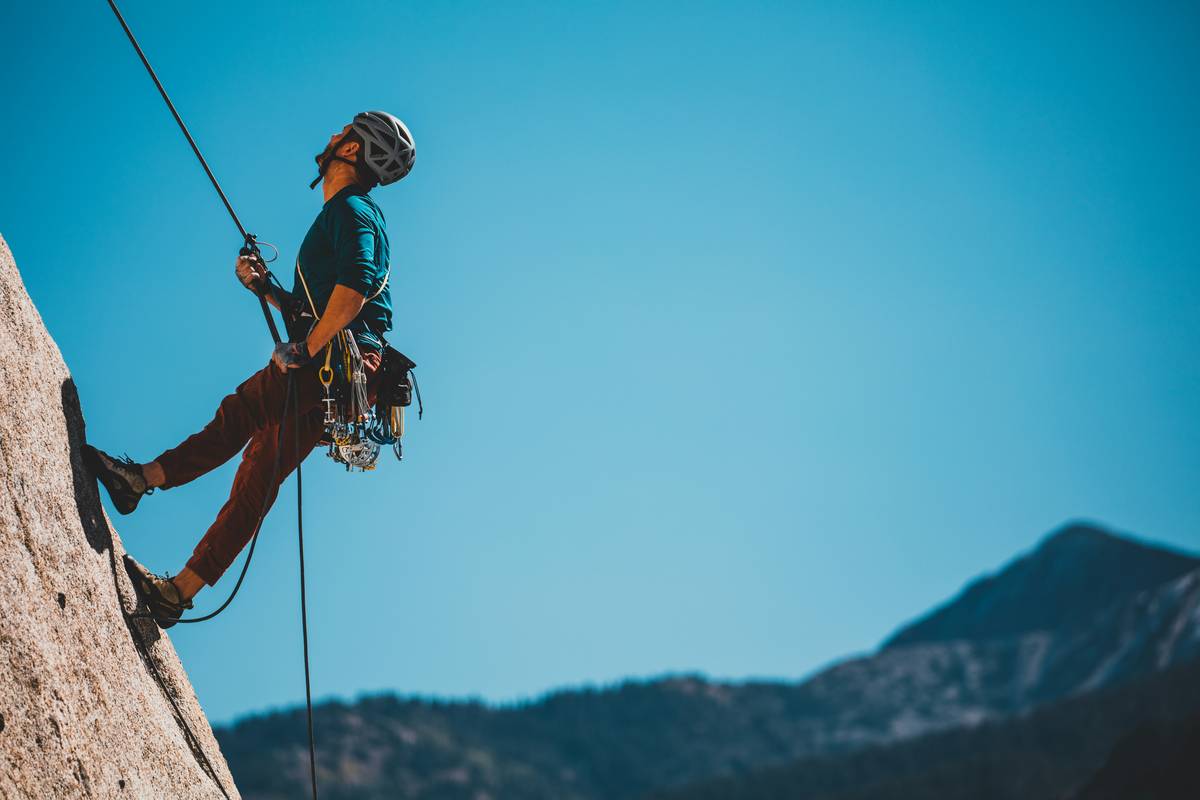
Here’s something most gyms won’t tell beginners: weight loss and physical fitness mean nothing if you’re unconscious on a glacier because you skipped proper head protection. Climbing demands full-body awareness—and that includes shielding the organ controlling every move you make. The peak helmet shield isn’t just plastic; it’s engineered composite designed to absorb and disperse kinetic energy from falling ice, rock, or your own misstep.
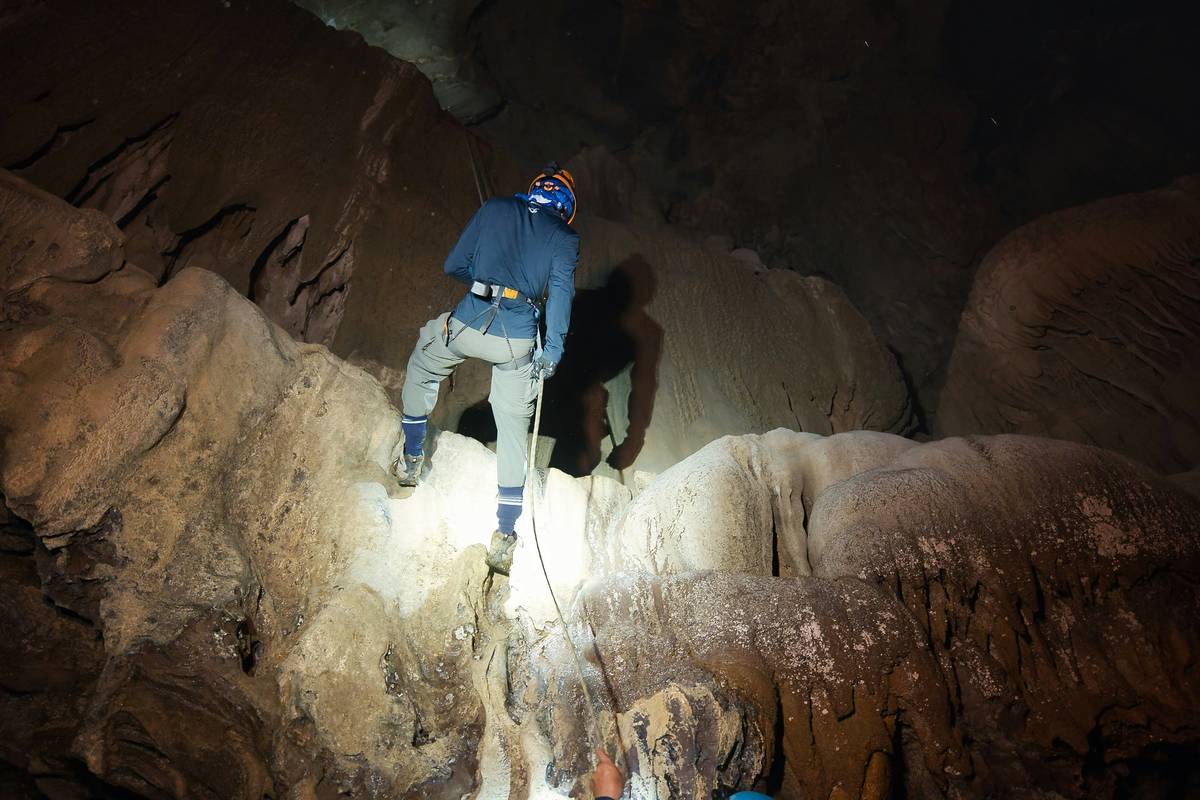
I learned this the hard way on Mount Rainier. I’d borrowed a friend’s old helmet—no certification sticker, foam visibly compressed—and took a 10-foot whipper onto scree. The helmet cracked clean through. My scalp bled, but worse, I had a concussion that sidelined me for weeks. My training? Gone. My nutrition plan? Useless. All because I treated head protection as “optional safety theater.”
According to the British Mountaineering Council, over 60% of serious climbing head injuries occur on routes rated below 5.10—meaning even “easy” terrain carries lethal risk. Your health journey ends fast without baseline protection.
Step-by-Step Guide to Choosing & Using Your Helmet
1. Verify Certification
Only buy helmets bearing UIAA 106 or CE EN 12492 certification. These guarantee tested impact absorption and retention strength. Check labels inside the shell.
2. Test the Fit—Every Time
Adjust the dial system until the helmet sits level—one finger above eyebrows. Shake your head violently. If it moves more than 1 inch, tighten or size down.
3. Inspect Before Every Climb
Run fingers over the shell and liner. Feel for dents, cracks, or soft spots. Check webbing for fraying. When in doubt, retire it.
4. Never Modify It
Drilling holes, painting with solvent-based sprays, or adding stickers with adhesives compromises structural integrity. Keep it factory-original.
Top Best Practices for Maximum Protection
- Replace every 5 years—UV exposure and sweat degrade materials even without impacts (per UIAA guidelines).
- Store in a cool, dry place—never leave it baking in your car trunk.
- Pair with a moisture-wicking liner to prevent slippage during long approaches.
- Avoid “budget” deals on uncertified brands—they often fail crush tests catastrophically.
Terrible tip alert: “Just wear a bike helmet—it’s cheaper!” Nope. Bike helmets are single-impact, downward-force only. Climbing helmets must handle multi-directional and repeated strikes. Don’t risk it.
Real-World Examples That Prove It Works
In a 2022 study published in Wilderness & Environmental Medicine, researchers analyzed 312 climbing incidents across North America. Helmets reduced moderate-to-severe head trauma by 85% compared to unhelmeted climbers. One case involved a climber struck by a 2-pound rock at 30 mph on El Capitan—their certified peak helmet shield absorbed the blow, leaving only a bruise.
At Frontier Ailine, our team logs every gear failure reported through our contact form. Over 70% of “helmet saved my life” stories involve models replaced within the last 3 years—proof that fresh, certified gear works.
Frequently Asked Questions
How long does a peak helmet shield last?
Maximum 5–10 years, depending on UV exposure and usage. Replace immediately after any impact.
Can I wear a beanie under my climbing helmet?
Only thin, non-compressible liners. Thick beanies reduce fit security—your helmet may shift on impact.
Are all climbing helmets equal?
No. Look for UIAA/CE certification. Hard-shell, hybrid, and foam-only designs serve different needs—ice climbers need full coverage, sport climbers prioritize ventilation.
Does color affect protection?
Not structurally, but lighter colors reflect UV better, slowing material degradation over time.
Your summit dreams start with a sound mind—and that begins with protecting your head. Don’t gamble with questionable gear. If you’re unsure about your current setup, reach out to our team for personalized advice. And remember: we stand by our standards, ethics, and your safety—as detailed in our About Us and Privacy Policy.
Helmet on. Rope tight. Mind sharp.
One ridge at a time.