You’re tracking calories. Hitting the gym. Drinking green juice like it’s going out of style. But the scale won’t budge. Here’s the gut punch: your approach ignores a hidden variable—physical activity that actually burns meaningful calories without wrecking your joints. And climbing? It torches 500–900 calories per hour. But you won’t last five minutes on the wall if your head isn’t protected. That’s where a proper safety helmet enters the scene—not as gear, but as a gateway.
The Core Problem: Why Standard Weight Loss Methods Fail
Generic diet plans treat your body like a spreadsheet. They don’t account for movement quality, neural engagement, or real-world adherence. You burn out because treadmill monotony kills motivation faster than sugar withdrawal. Climbing flips the script—it’s problem-solving with your whole body. But skip head protection, and one fall ends your journey before it begins. And yes, indoor gyms aren’t risk-free. Overhead holds shift. Ropes slip. Helmets aren’t optional—they’re non-negotiable insurance.
Your Step-by-Step Guide to Climbing Safely (and Losing Weight)
Choose the Right Type of Safety Helmet
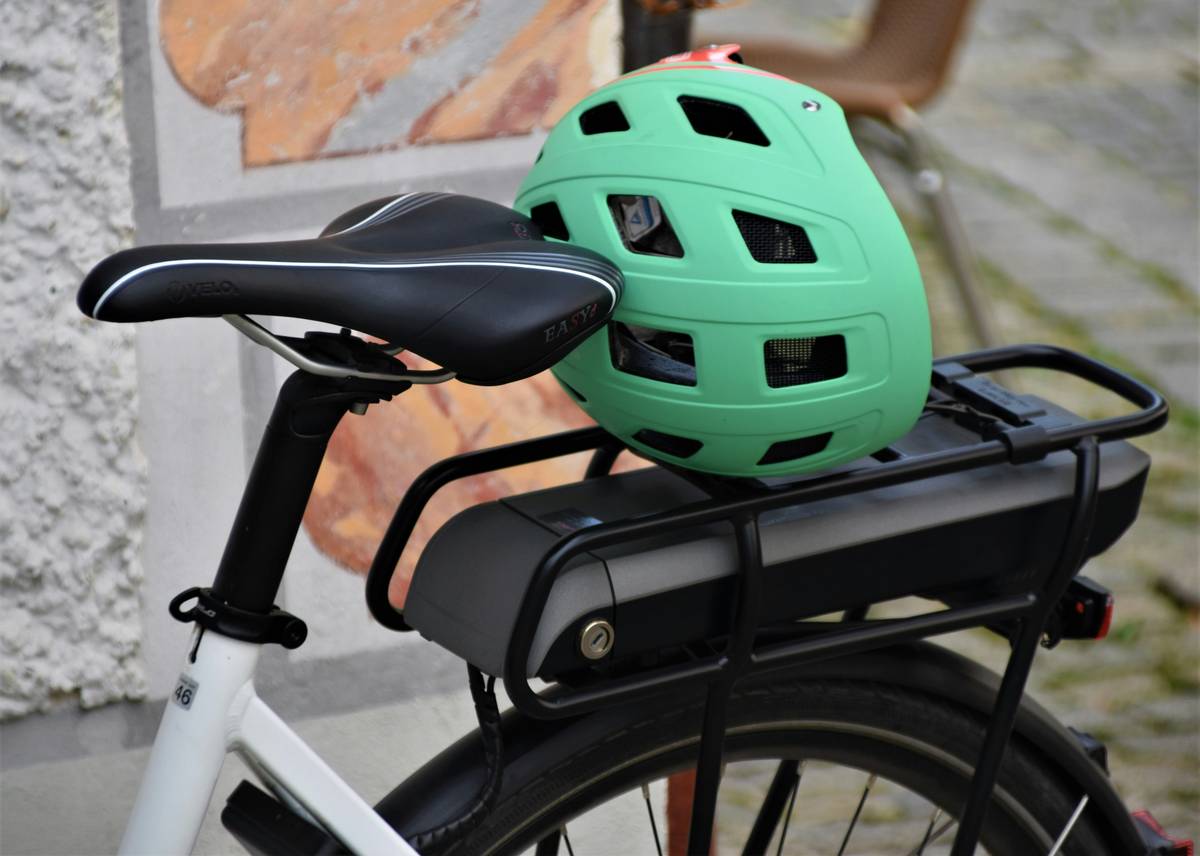
Not all helmets are built equal. Lightweight foam liners suit indoor bouldering; hard-shell ABS models handle outdoor rockfall. Fit matters more than brand—snug but not painful, with even pressure around your forehead.
Integrate Climbing Into Weekly Routine
Start with two 60-minute sessions weekly. Focus on technique, not height. Your core fires constantly. Legs stabilize. Shoulders engage. You’re burning fat while building functional strength—no deadlifts required.
Maintain and Replace Gear Properly
Retire your helmet after any significant impact—even if there’s no visible damage. UV exposure degrades plastic over time. Most manufacturers recommend replacement every 3–5 years, regardless of use.
| Helmets by Use Case | Weight (g) | Ideal For | Avg. Price |
|---|---|---|---|
| Foam Hybrid (e.g., Petzl Sirocco) | 180–220 | Indoor bouldering, sport climbing | $90–$120 |
| Hard Shell (e.g., Black Diamond Half Dome) | 280–340 | Outdoor trad, alpine, mixed terrain | $60–$85 |
| Adjustable Fit Models | 240–270 | Shared gym use, beginners | $50–$75 |
The Industry Secret: Gyms Don’t Push Helmets—But Top Athletes Always Wear Them
Here’s what nobody tells you: many commercial climbing gyms quietly discourage helmet use indoors to keep the vibe “approachable.” It’s a business decision—not a safety one. Meanwhile, elite climbers like Alex Honnold wear certified head protection even during warm-ups. Why? Because neuromuscular confidence unlocks harder moves. When you stop subconsciously flinching at falling holds, your body commits fully. That mental ease translates to longer, more intense sessions—and more calories burned. The math is simple: better protection = deeper engagement = sustainable weight loss.
FAQ
Do I really need a safety helmet for indoor climbing?
Yes. Falling debris, swinging ropes, or accidental head knocks happen—even in controlled gyms. One incident can sideline you for months.
Can climbing help lose belly fat specifically?
No spot reduction exists—but climbing builds full-body lean mass, which boosts resting metabolism and reduces overall body fat over time.
How often should I replace my safety helmet?
Every 3–5 years, or immediately after any major impact—even if it looks fine. Hidden cracks compromise structural integrity.