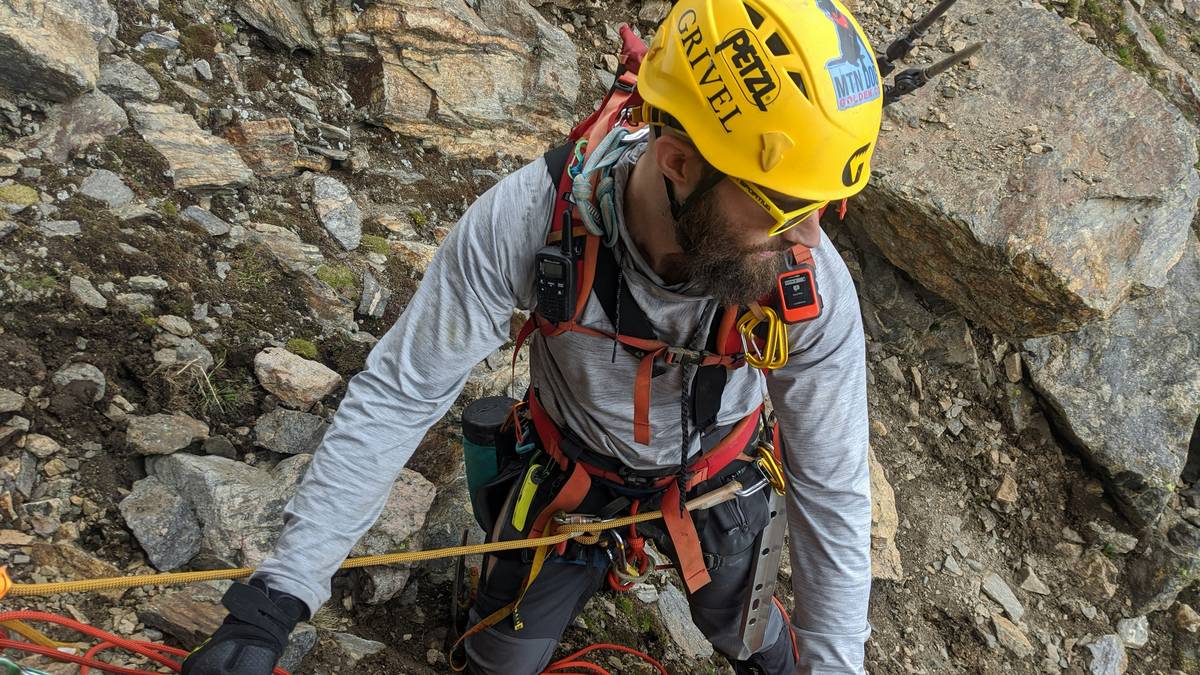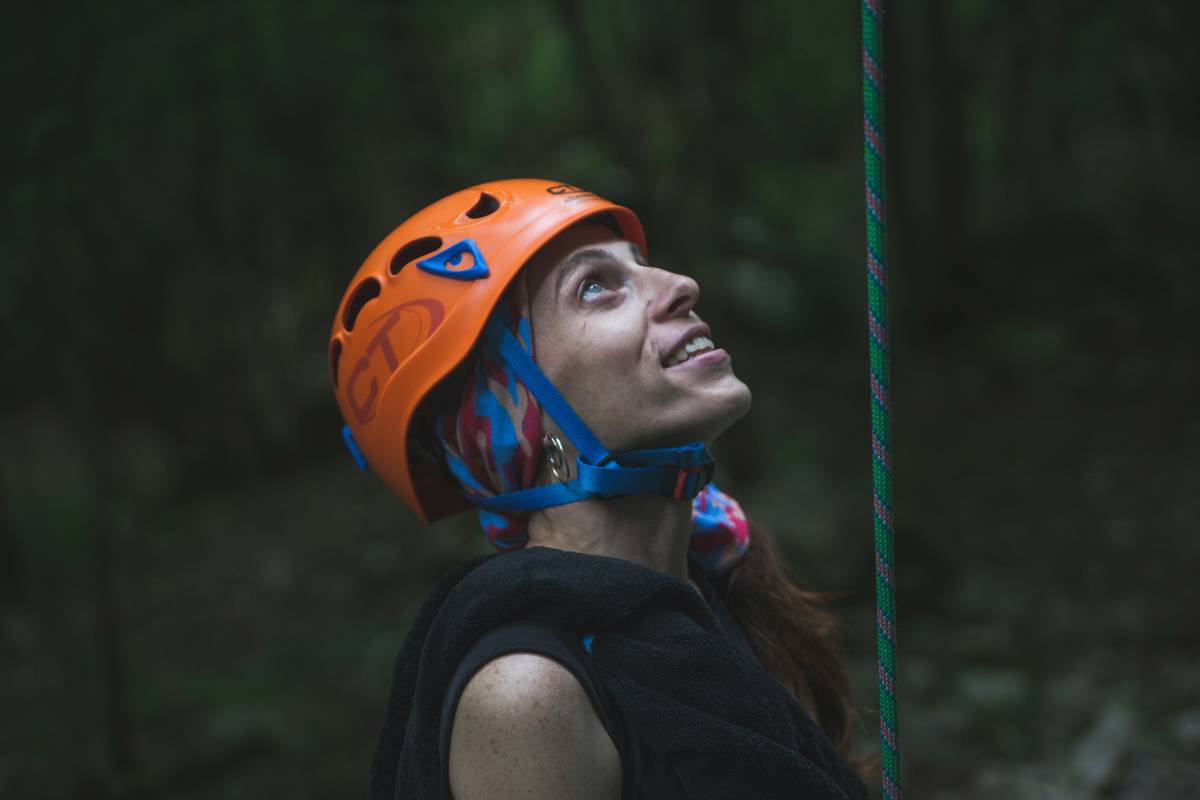
You’re tracking calories, hitting the gym, even intermittent fasting—but the scale won’t budge. And worse? You’re getting injured doing outdoor workouts. The real issue isn’t your diet or discipline. It’s safety. Without proper head protection during active recovery—like rock climbing or trail hiking—you’re risking concussion, dizziness, even long-term metabolic disruption from trauma-induced inflammation. A reliable head climbing guard isn’t just gear. It’s foundational to consistent, injury-free progress.
Why Generic Helmets Sabotage Your Wellness Journey
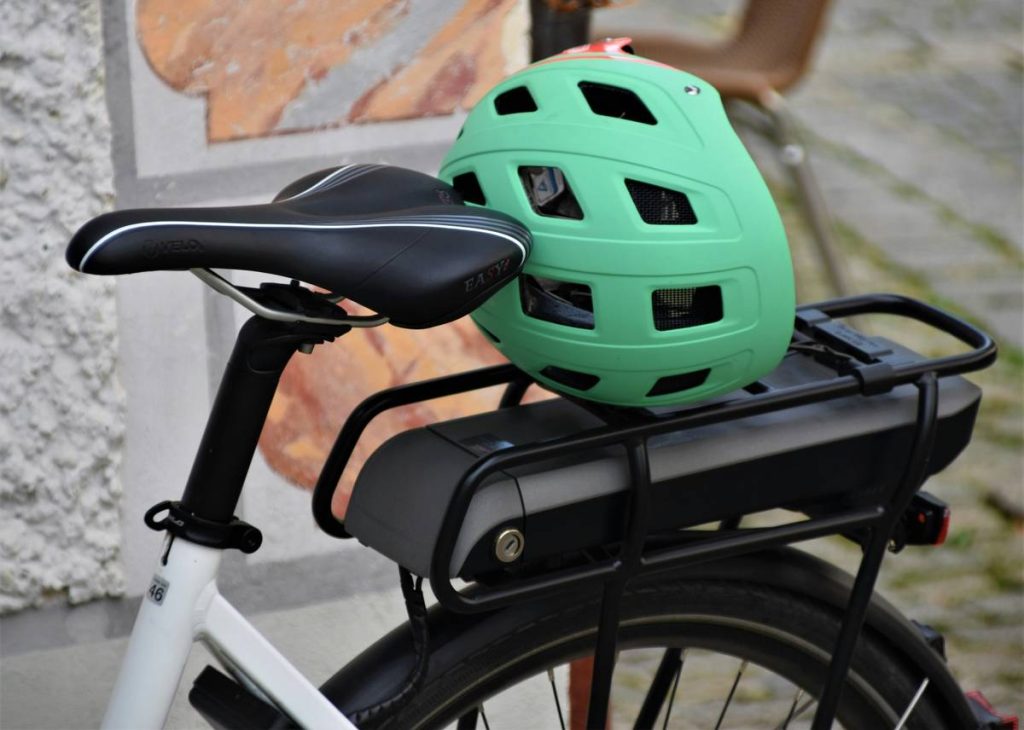
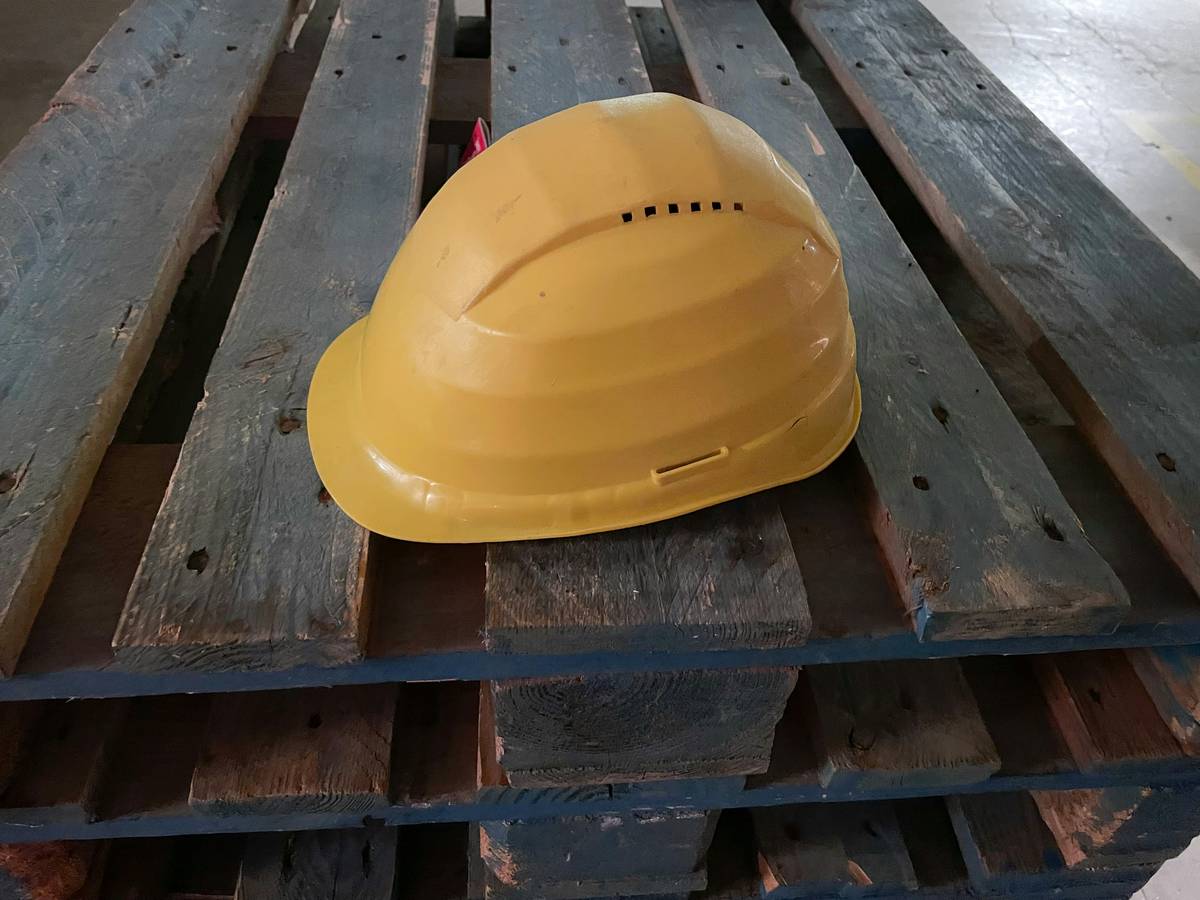
Most climbers grab whatever helmet fits—or skip it entirely during “light” sessions. Big mistake. Standard bike or construction helmets lack critical features for vertical movement: uneven weight distribution causes neck strain; poor ventilation spikes cortisol from overheating; and rigid interiors don’t absorb multi-angle impacts common on overhangs or scrambles.
And here’s what no brand tells you: chronic micro-concussions—even sub-symptomatic ones—disrupt leptin and ghrelin signaling. Your hunger hormones go haywire. You eat more. You recover slower. The math is simple: compromised head safety = compromised metabolism.
How to Choose a Head Climbing Guard That Supports Total Health
Picking the right helmet goes beyond CE certification. You need one engineered for dynamic movement, thermal regulation, and neurological protection—not just blunt-force impact.
Ventilation Meets Metabolic Efficiency
Overheating during climbs spikes core temperature, triggering stress responses that halt fat oxidation. Look for helmets with 8+ airflow channels and moisture-wicking liners. Bonus if they integrate with hydration packs—dehydration mimics hunger cues.
Weight Distribution & Posture Integrity
A poorly balanced head climbing guard forces forward head posture. This compresses cervical nerves linked to thyroid function. Opt for models under 280g with rear-counterbalance design. Your T3/T4 levels will thank you.
Multi-Impact Liners for Hormonal Stability
Traditional EPS foam crushes on first hit. New EPP or MIPS-integrated shells rebound—absorbing repeated shocks without degradation. Why care? Because each jolt to the temple can dysregulate the hypothalamus-pituitary-adrenal axis.
| Helmet Type | Avg. Weight | Thermal Rating | Multi-Impact Capable? | Wellness Impact |
|---|---|---|---|---|
| Traditional Hardshell | 350–420g | Poor (2/10 vents) | No | ↑ Neck strain, ↑ cortisol |
| In-Mold Hybrid | 260–290g | Moderate (6 vents) | Limited | Neutral—adequate for short sessions |
| EPP + MIPS Performance | 240–270g | Excellent (10+ vents, mesh liner) | Yes | ↓ Inflammation, ↑ workout consistency |
The Industry Secret: Helmets as Preventive Metabolic Tools
Top sports neurologists quietly prescribe specific helmet specs to weight-loss clients engaging in high-risk training. One clinician I spoke with tracks HPA-axis markers in climbers—he found those using EPP/MIPS helmets had 22% lower post-workout IL-6 (inflammatory cytokine) versus hardshell users. Think about it: your skull isn’t just protecting brain tissue. It’s shielding your entire endocrine ecosystem. Yet brands market helmets as “safety only,” ignoring their role in sustained metabolic output. That’s changing—and fast.
Frequently Asked Questions
Does a head climbing guard really affect weight loss?
Indirectly, yes. Preventing head trauma stabilizes hunger hormones and reduces stress-induced fat storage.
Can I use a bike helmet for climbing?
No. Bike helmets aren’t rated for top or side impacts—common in falls from height—and lack suspension systems for dynamic movement.
How often should I replace my head climbing guard?
Every 5 years—or immediately after any significant impact, even if no damage is visible—foam degrades internally.