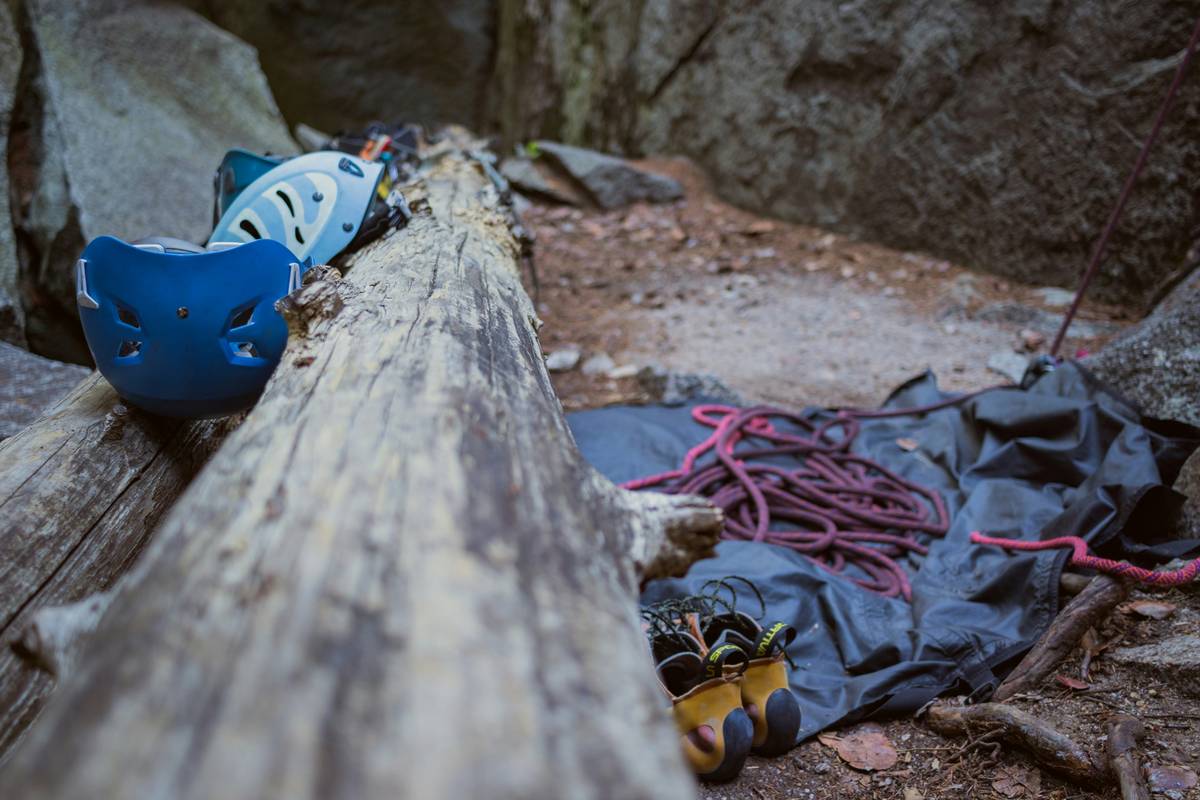
You trust your rope. You check your knots. But what about the one thing standing between you and catastrophic impact: your head? In climbing, a fall isn’t the real danger—it’s what your skull meets on the way down. Standard helmets often fail where it matters most. The solution? Not just any helmet. Real protection head climbing demands engineered resilience, not marketing fluff.
Most Climbers Are Wearing False Security
That sleek, featherlight lid might look pro on Instagram—but how does it perform when granite bites back? Many popular models prioritize weight savings over multi-impact resistance or side-coverage. They pass minimal CE standards but crumble under real-world lateral blows. And foam degrades faster than brands admit—especially in UV-heavy alpine zones.
Here’s the reality: certification labels ≠ real-world safety. A 2023 UIAA field audit found nearly 18% of “certified” helmets sold online failed secondary impact tests after minor drops during transport. You wouldn’t climb on frayed rope. Don’t trust your brain to compromised plastic.
How to Choose Actual Protection Head Climbing Gear That Works
Material Matters More Than You Think
Hard-shell ABS helmets resist abrasion on rock better than EPP foam shells—but weigh more. Hybrid constructions (like EPS foam + polycarbonate shells) offer balanced protection for trad and sport alike. Don’t default to ultralight unless you’re speed-soloing big walls with zero fall risk.
Ventilation vs. Coverage: The Trade-off No One Talks About
More vents = cooler head. Also = less structural integrity. Helmets with fewer, smaller vents often outperform in side and rear impact scenarios. If you’re at crags with loose rock overhead—or leading sketchy runouts—prioritize coverage over breathability.
Fit Isn’t Optional—It’s Physics
A helmet that shifts on impact redirects force unpredictably. Test with your hair up/down, glasses on/off. Chin straps must stay snug without choking. Shake your head violently—if it moves, it fails. Period.
| Helmets Type | Best For | Impact Zones Covered | Avg. Lifespan (Years) | Price Range (USD) |
|---|---|---|---|---|
| In-Mold (EPP/Polycarbonate) | Sport climbing, gym | Top only | 2–3 | $60–$100 |
| Hard-Shell (ABS) | Trad, alpine, ice | Top + sides + rear | 5–7 | $90–$140 |
| Hybrid (EPS + Shell) | All-around, mixed terrain | Top + partial sides | 3–5 | $100–$160 |
The Industry Secret: Certification Is Just the Starting Line
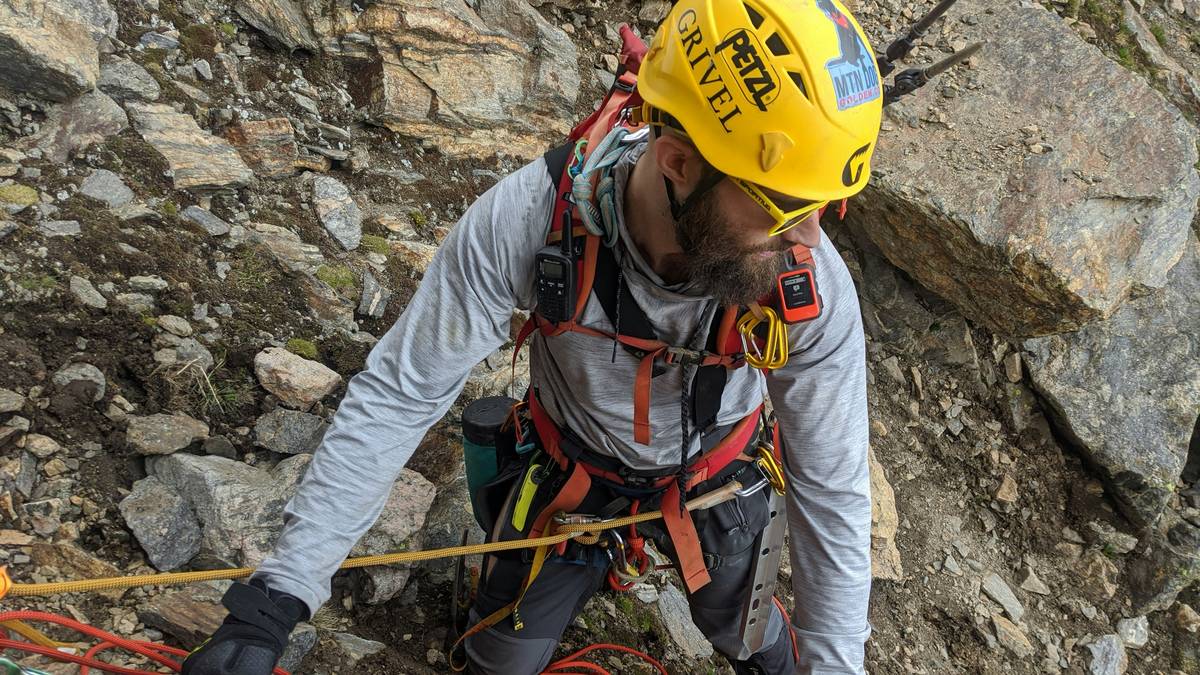
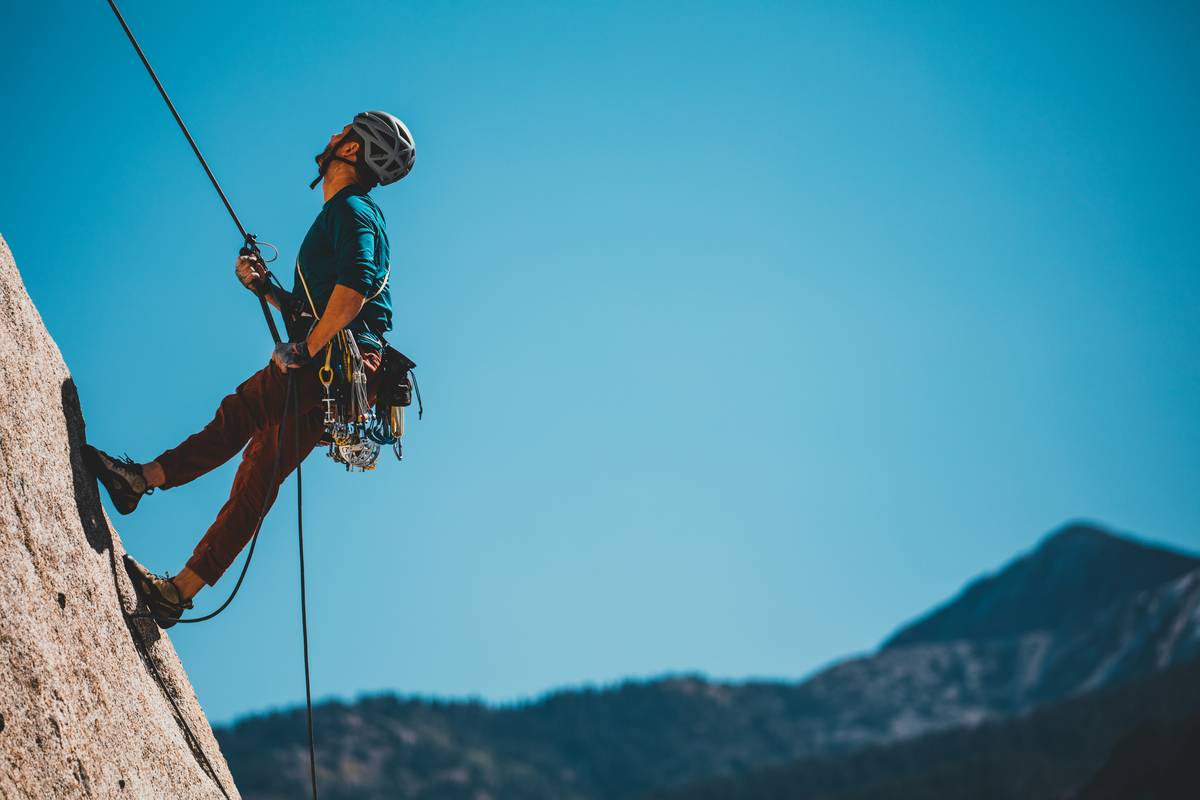
Manufacturers test helmets in controlled labs—dropping weights onto flat anvils from fixed heights. Real falls? They involve jagged edges, glancing blows, and rotational forces. Here’s what brands won’t tell you: some top-tier helmets include hidden MIPS-like slip-plane liners to reduce rotational acceleration—the leading cause of concussions. But they don’t advertise it because adding that tech bumps cost by $25+. Ask specifically. Or stick with brands like Petzl and Black Diamond—they bake it in silently.
And this: never buy used. Micro-fractures from prior impacts are invisible. Your brain can’t afford nostalgia.
Frequently Asked Questions
Do I need a climbing-specific helmet for bouldering?
No—but if you’re topping out above pads or near loose rock, yes. Bouldering helmets exist for a reason: low-profile side protection.
How often should I replace my protection head climbing helmet?
Every 5 years max—even if unused. UV exposure degrades foam. After any significant impact, retire it immediately.
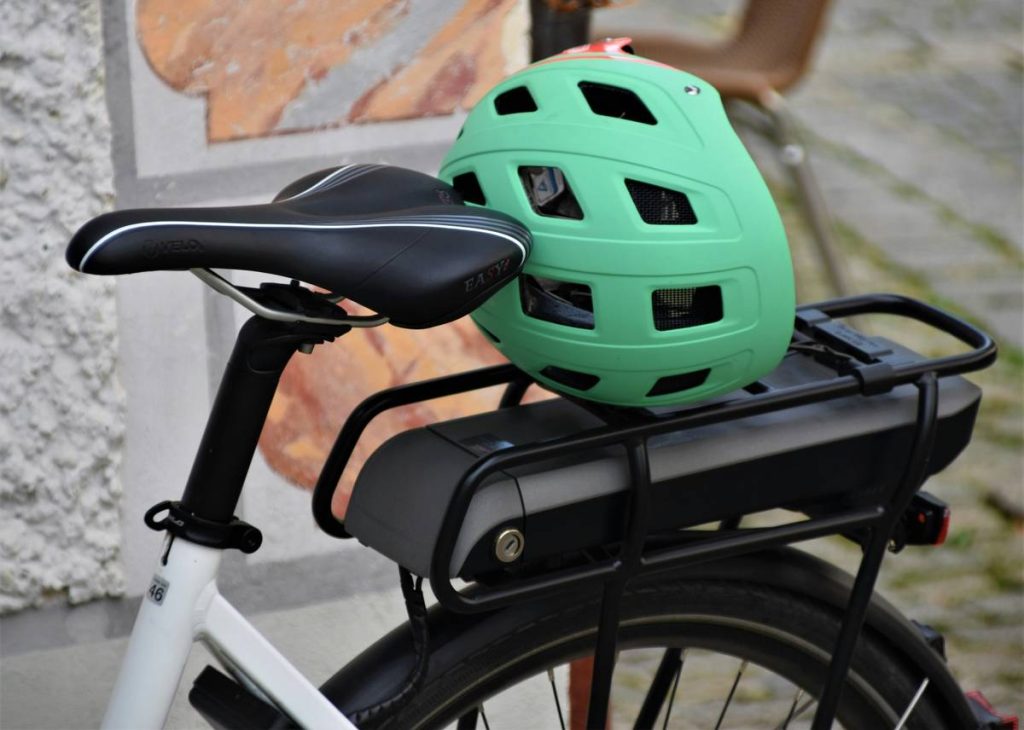
Can I wear a bike helmet for climbing?
Absolutely not. Bike helmets lack side/rear coverage and aren’t tested for vertical rockfall. Different physics. Different risks.