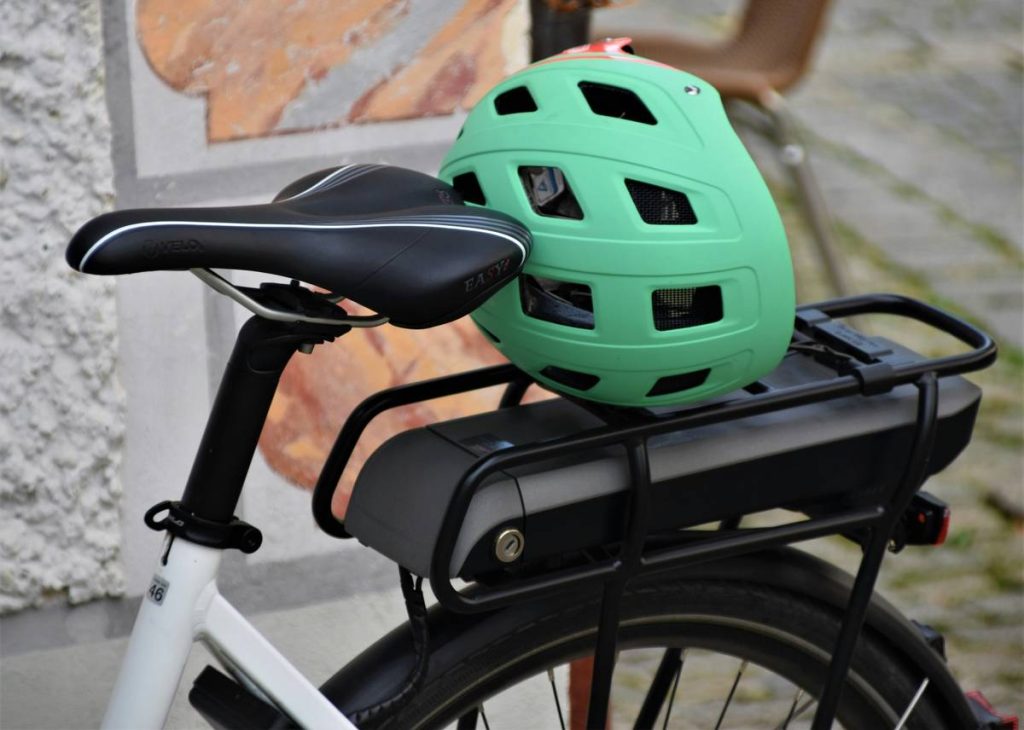
You gear up. You double-check your harness. You trust your rope. But that helmet for climbing gathering dust in your garage? It’s not just another accessory—it’s your last line of defense when gravity wins. And yet, climbers skip it daily. Rocks fall. Heads crack. The consequences are irreversible.
The Silent Risk Most Climbers Ignore
Most climbers treat head protection like sunscreen—optional until it’s too late. Helmets get ditched for “comfort” or because “nothing’s ever happened before.” That’s complacency, not confidence. A single loose flake dislodged 30 feet above can hit with the force of a sledgehammer—even on indoor walls during setup or takedown. And brain trauma doesn’t care how strong your core is.
Traditional helmets fail in three brutal ways: poor ventilation (sweat blinds you mid-route), weak rear coverage (most impacts come from behind), and outdated retention systems that loosen during dynamic moves. You’re not just wearing a shell—you’re betting your cognition on it.
How to Choose the Right Helmet for Climbing—Step by Step
Forget brand hype. Focus on physics, fit, and function. Here’s how to cut through the noise:
Step 1: Match the Helmet Type to Your Discipline
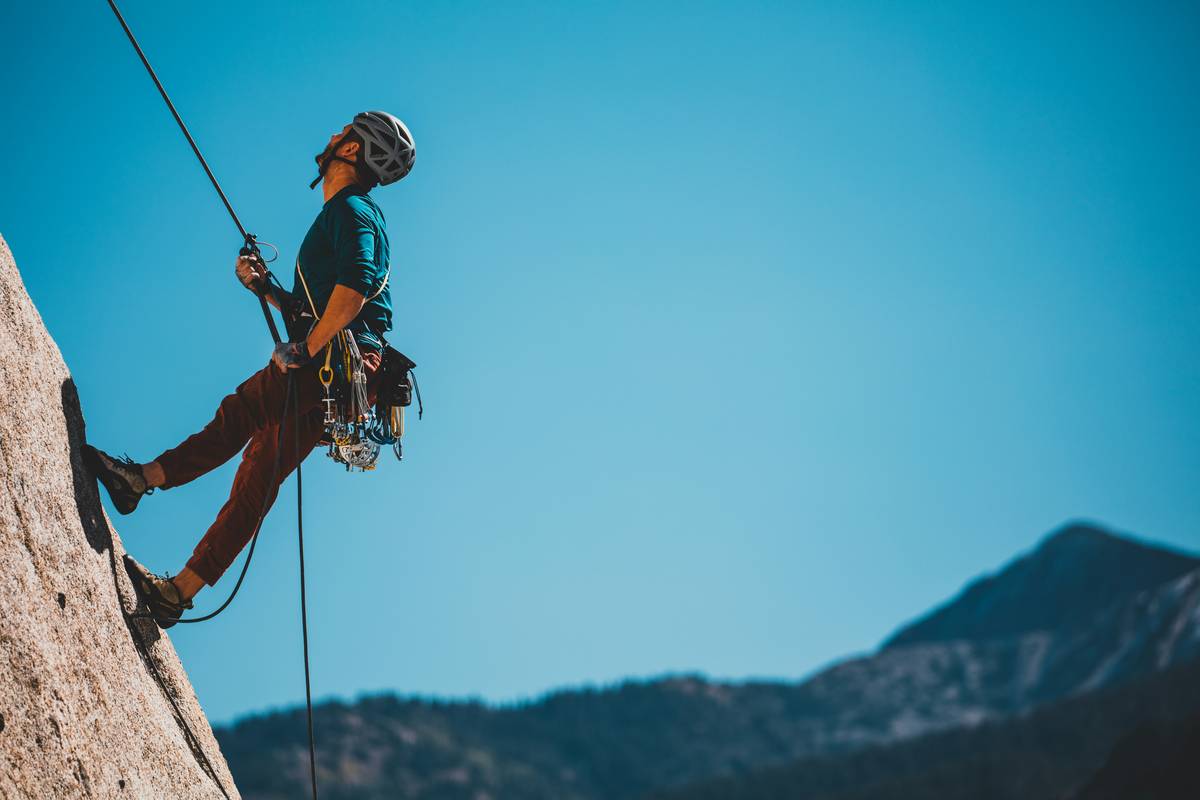
Sport climbers need lightweight, ventilated models. Trad and alpine routes demand reinforced shells with full-coverage EPS foam. Bouldering? Still wear one—overhangs collapse. Don’t assume “indoor = safe.” Gym staff report more head strikes than you think.
Step 2: Prioritize Fit Over Fashion
A helmet that wobbles is worse than none. It shifts on impact, exposing your temple or occipital lobe. Test it with your hair down, ponytail up, and hood on. Yes—your winter hat matters too. Tighten the dial fit system until it grips without pressure points.
Step 3: Demand Modern Safety Certifications
UIAA 106 and CE EN 12492 are non-negotiable. But go further: look for MIPS or similar rotational impact tech. Linear force cracks skulls—rotational force shreds neural pathways. Few helmets offer both. Even fewer advertise it.
| Helmets Compared | Weight (g) | Ventilation | Rear Coverage | MIPS? | Best For |
|---|---|---|---|---|---|
| Petzl Sirocco | 185 | Excellent | Limited | No | Sport & gym |
| Black Diamond Vision | 320 | Good | Full | Yes | Trad & alpine |
| Mammut Wall Rider | 285 | Moderate | Full | Yes | All-around |
| Edelrid Salathe | 260 | Good | Partial | No | Crag days |
The Industry Secret Nobody Talks About
Here’s what gear reps won’t tell you: most climbing helmets expire faster than you think—not from wear, but from UV degradation. That polycarbonate shell? Sunlight turns it brittle in 3–4 years, even if it looks fine. Drop tests show 40% reduced impact absorption after prolonged exposure. Yet climbers keep using decade-old hand-me-downs. Check the manufacture date stamped inside. If it’s pre-2020, retire it—even if “it’s never taken a hit.” Because the next one might be terminal.
Frequently Asked Questions
Do I really need a helmet for indoor climbing?
Yes. Falling gear, dropped belay devices, or even a misplaced foot can cause head trauma indoors. Gyms see more incidents than outdoor crags per climber-hour.
Can I use a bike or ski helmet for climbing?
No. They’re certified for different impact angles and forces. Climbing helmets must protect from top and rear—bike helmets don’t. Ski helmets lack ventilation and secure fit systems.
How often should I replace my climbing helmet?
Every 5 years max—or immediately after any significant impact, visible crack, or UV exposure signs (fading, brittleness). When in doubt, throw it out.