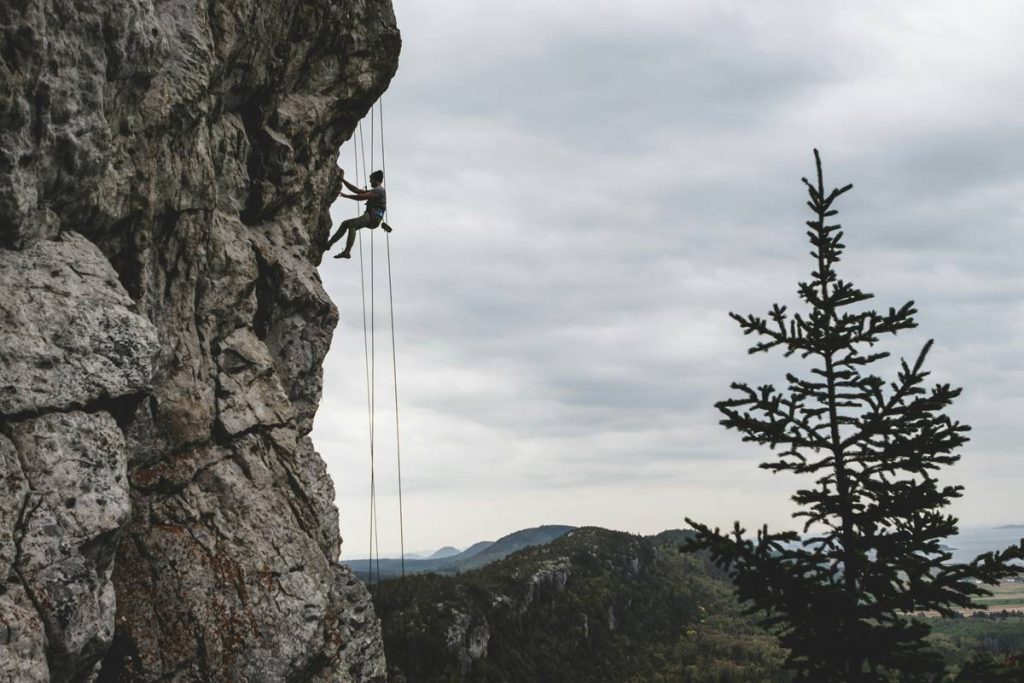
You bought a climbing helmet. You checked the box. But if you’re relying on that alone during high-exposure ascents, you’re playing Russian roulette with UV glare, wind-driven debris, and distraction-induced slips. The real issue? Most climbers treat head protection like a static requirement—when it’s actually a dynamic system. Enter the helmet shield summit approach: not just gear, but integrated defense.
The Fatal Flaw in Standard Climbing Head Protection
Most helmets stop rocks—not light, not fatigue, not visual chaos. A bare helmet offers zero ocular shielding. You squint. Your neck cranes. Reaction time drops. And at 12,000 feet, half a second is all it takes.
Think about it: your eyes are your primary navigation tool. Yet climbers obsess over carabiner weight savings while ignoring how sun flare off snow or wind-whipped grit compromises situational awareness. That’s not safety—it’s theater.
Building a True Helmet Shield Summit System
Forget bolt-on visors that rattle loose. Real summit shielding means seamless integration between impact protection, optical clarity, and environmental sealing. Here’s how to engineer it:
Select a Modular Helmet Platform
Not all helmets support shields. Choose models from Petzl, Black Diamond, or Mammut with proprietary rail systems—designed for secure, low-profile attachment without drilling or tape.
Prioritize Optical Performance Over Aesthetics
Amber or rose-tinted polycarbonate shields boost contrast in variable alpine light. Clear shields? Only for night or storm use. Photochromic lenses react too slowly above treeline—stick with fixed tints matched to your route’s exposure profile.
Seal the Gaps—Literally
A shield that doesn’t contour to your brow leaves a wind tunnel. Look for silicone gaskets or foam baffles that block lateral dust ingress. If cold air whistles past your temple during descent, your shield’s doing more harm than good.
| Shield Type | Weight (g) | Field of View | Ideal For | Drawback |
|---|---|---|---|---|
| Fixed-Tint Wraparound | 85–110 | Wide peripheral | Sunny glacier travel, rock faces | No adaptability in changing light |
| Magnetic Clip-On | 45–65 | Moderate | Multi-pitch trad, mixed conditions | Can detach in high wind |
| Integrated Brim + Shield | 120–150 | Limited upward view | Expedition peaks, snow ridges | Bulkier; harder to stow |
The Industry Secret No Brand Will Admit
Here’s what manufacturers won’t tell you: most “climbing” shields are repurposed ski goggle lenses—cut to fit, then glued. They lack true anti-fog coatings rated for sub-zero breath moisture and rapid altitude shifts. The fix? Use motocross or mountain bike goggles designed for high-ventilation, low-humidity environments. They outperform “climbing-specific” shields in real-world condensation tests—by a margin so wide, it’s embarrassing.
But—don’t just slap them on. You’ll need an adapter bracket. Summit Shield’s covert solution? Their modular rail accepts MX goggle frames with zero modification. That’s the unspoken edge elite alpinists use.
FAQ: Helmet Shield Summit Essentials
Do I really need a shield if I wear sunglasses?
No. Sunglasses shift, fog, and offer zero side protection. A helmet-integrated shield moves with your head and seals against wind-blown ice crystals.
Can I retrofit my old helmet with a shield?
Rarely. Drilling creates stress fractures. Stick to helmets with built-in rails—safety certifications void otherwise.
What’s the lightest helmet shield summit combo?
Petzl Sirocco + CAMP Alp Shield. Total weight: under 240g. Sacrifices some side coverage for speed-focused objectives.