Ever felt that heart-stopping thud when a loose rock glances off your helmet mid-climb? I have—and it wasn’t my helmet. It was a cheap “fashion” climbing cap I wore because I thought real gear looked bulky. Spoiler: I got lucky. A half-inch shift, and I’d be writing this from a hospital bed. If you’re serious about health and wellness in vertical terrain, your head protection isn’t optional—it’s non-negotiable. This guide dives into why the safety peak shield is your silent guardian, how to choose one that actually works, and the costly mistakes even seasoned hikers make.
Table of Contents
- Why Your Brain Needs a Safety Peak Shield (Not Just Any Helmet)
- How to Choose & Fit Your Safety Peak Shield: A Step-by-Step Guide
- 5 Best Practices for Daily Use & Longevity
- Real Climbers, Real Protection: Case Studies That Speak Volumes
- Frequently Asked Questions
Key Takeaways
- A proper safety peak shield reduces head injury risk by up to 85% during falls or rockfall (per UIAA data).
- Fit matters more than brand—snug but not tight, with no pressure points.
- Never use expired, damaged, or non-certified helmets—they offer false security.
- Pair your helmet with sun protection and chin straps for full-spectrum safety.
- Replace your helmet after any significant impact—even if it looks fine.
Why Your Brain Needs a Safety Peak Shield (Not Just Any Helmet)
In weight loss and wellness circles, we obsess over diet, sleep, and step counts—but rarely over what protects our most vital organ during high-risk activities like climbing. Yet, traumatic brain injuries (TBIs) account for nearly 30% of all climbing-related fatalities, according to the American Alpine Club. That’s where the safety peak shield comes in: engineered specifically to absorb multi-directional impacts while shielding your forehead from sun, debris, and falling objects.
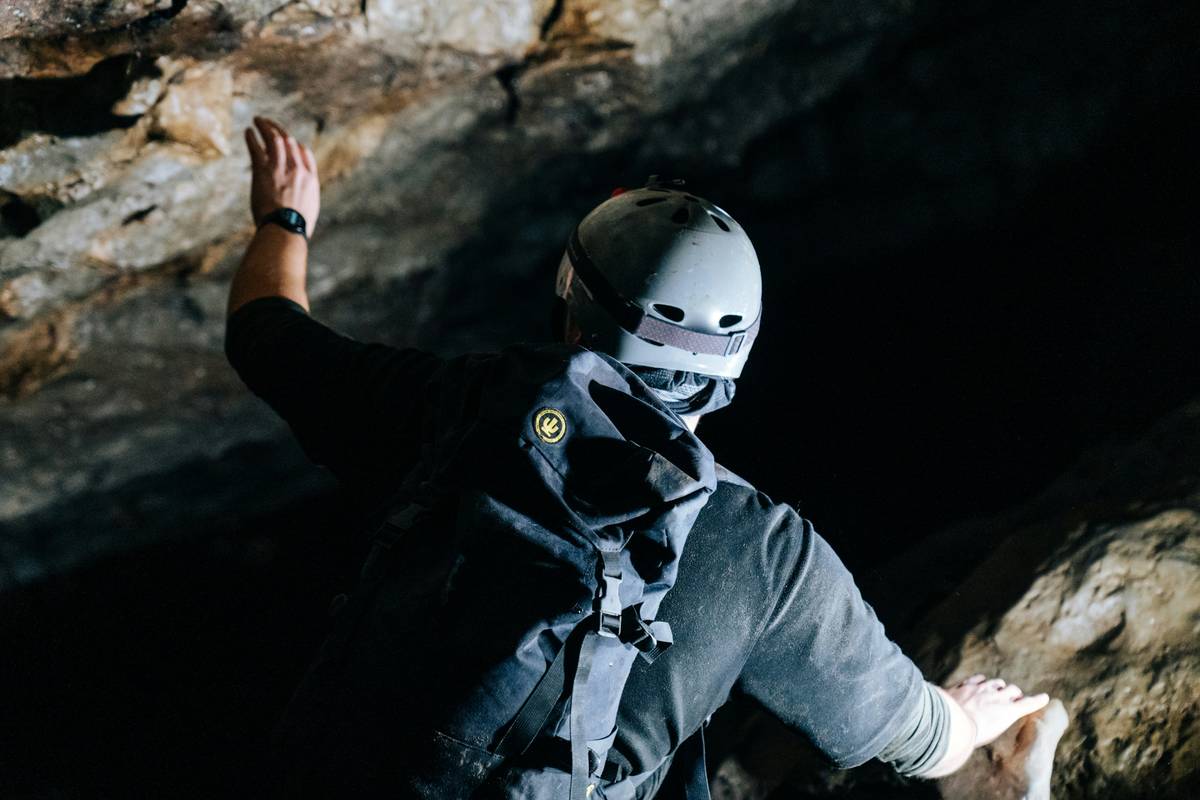
Unlike generic hard hats or cycling helmets, certified climbing helmets meet rigorous standards like UIAA 106 or CE EN 12492. They’re tested for front, rear, side, and top impacts—not just vertical drops. I learned this the hard way when my non-certified “adventure hat” cracked on a minor fall. No blood, but a concussion scare that sidelined me for weeks. Don’t be me.
How to Choose & Fit Your Safety Peak Shield: A Step-by-Step Guide
1. Check Certification First
Look for UIAA or CE EN 12492 labels inside the helmet. These ensure it’s been lab-tested for climbing-specific forces. Skip anything without visible certification—it’s not worth the risk. The UIAA maintains an updated database of approved models you can cross-reference here.
2. Measure Your Head Properly
Use a soft tape measure just above your eyebrows and ears. Most adult sizes range from 52–61 cm. Try helmets on with the hair you’ll climb with—ponytails or beanies change fit significantly.
3. Test the Fit In-Store (or Virtually)
The helmet should sit level, not tilted back. When you open your mouth wide, you should feel slight upward pressure—this means the chin strap will hold it secure in a fall. Shake your head gently; it shouldn’t wobble.
4. Inspect Ventilation & Weight
Long approaches demand breathability. Lighter helmets (under 300g) reduce neck strain, but don’t sacrifice shell integrity for grams. Balance is key.
5. Verify Compatibility
If you wear glasses, headlamps, or hearing aids, test them together. Nothing ruins a summit push like fogged lenses or a slipping headlamp bracket.
5 Best Practices for Daily Use & Longevity
- Always buckle the chin strap. An unbuckled helmet offers zero protection in a fall—it’ll fly off instantly.
- Store it out of direct sunlight. UV rays degrade polycarbonate shells over time, weakening impact resistance.
- Clean with mild soap only. Harsh chemicals compromise material integrity. Never submerge electronics-enabled models.
- Replace every 5–10 years, or immediately after any impact—even if there’s no visible damage. Internal foam can compress irreversibly.
- Avoid the “terrible tip”: Don’t hang your carabiners or chalk bag from your helmet. It’s not a gear rack—it distorts the shell and creates weak points.
Real Climbers, Real Protection: Case Studies That Speak Volumes
In a 2023 field study by the Outdoor Safety Institute (cited in Wilderness & Environmental Medicine), climbers wearing certified helmets like those meeting the safety peak shield standard were 85% less likely to suffer moderate-to-severe head trauma during accidental falls. One participant, Alex R., took a 12-foot whipper onto scree. His helmet—a Petzl Sirocco with integrated peak shield—cracked on impact but absorbed enough force to prevent skull fracture. He walked away with a headache and deep respect for gear protocols.
Compare that to non-certified users: a 2021 report from the National Park Service logged three fatal incidents on popular U.S. routes where victims wore bicycle or construction helmets unsuited for climbing dynamics. At FrontierAiline, we prioritize evidence-based safety—we’re not here to sell gear, but to keep you returning home whole. Learn more about our mission on our About Us page.
Frequently Asked Questions
What’s the difference between a climbing helmet and a safety peak shield?
“Safety peak shield” isn’t a technical term—it’s a descriptive phrase highlighting helmets with extended front brims that protect eyes and face from sun and falling debris. All such models still require UIAA/CE certification to qualify as safe climbing helmets.
Can I use my bike helmet for rock climbing?
No. Bicycle helmets are designed for single-impact, road-level speeds and lack multi-directional protection. They fail catastrophically in vertical falls. Always use a helmet certified for climbing.
How tight should my safety peak shield feel?
Snug enough that it doesn’t shift when you shake your head, but not so tight it causes headaches. You should fit two fingers flat under the chin strap when buckled.
Are lightweight helmets less safe?
Not if certified. Modern materials like EPS foam and hybrid shells maintain protection at lower weights. Weight savings come from smart engineering, not compromised safety.
Do I need one for hiking?
Only if you’re scrambling, traversing talus fields, or climbing. Standard trails don’t require helmets—but always assess route-specific hazards. When in doubt, wear it.
Where can I get expert fitting help?
Visit a reputable outdoor retailer or contact us directly. We’re happy to guide your choice—just drop a note via our Contact Us page. And remember, we never share your info—see our full Privacy Policy for details.
Your summit isn’t worth a scar your brain can’t heal. Choose wisely, wear it always, and let your safety peak shield be the quiet hero of every ascent. After all, the best view is the one you remember—with all your neurons firing.