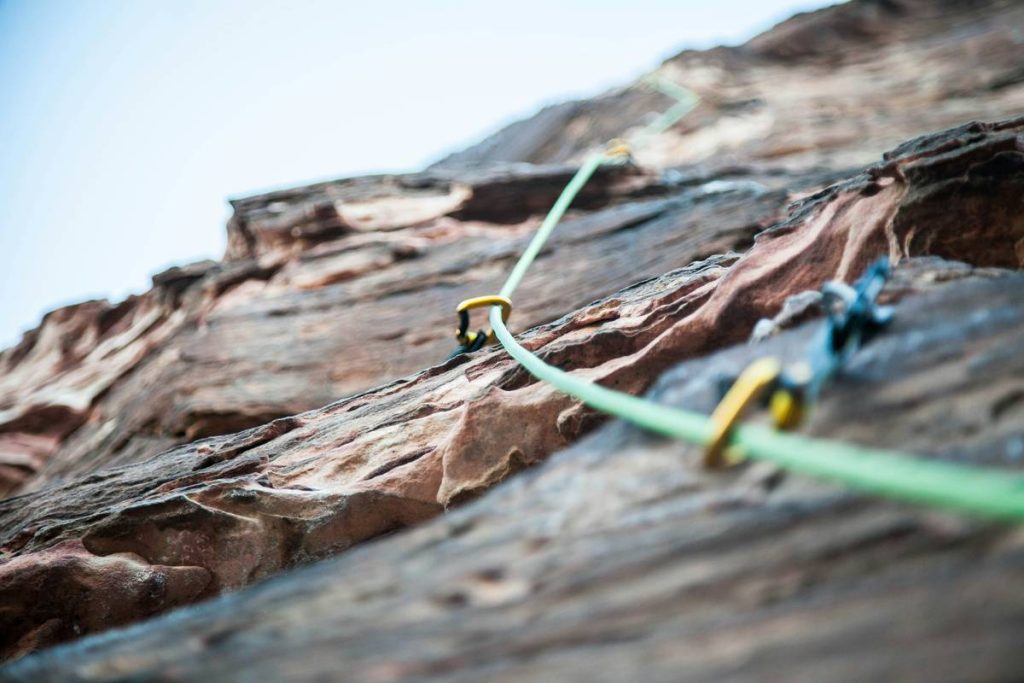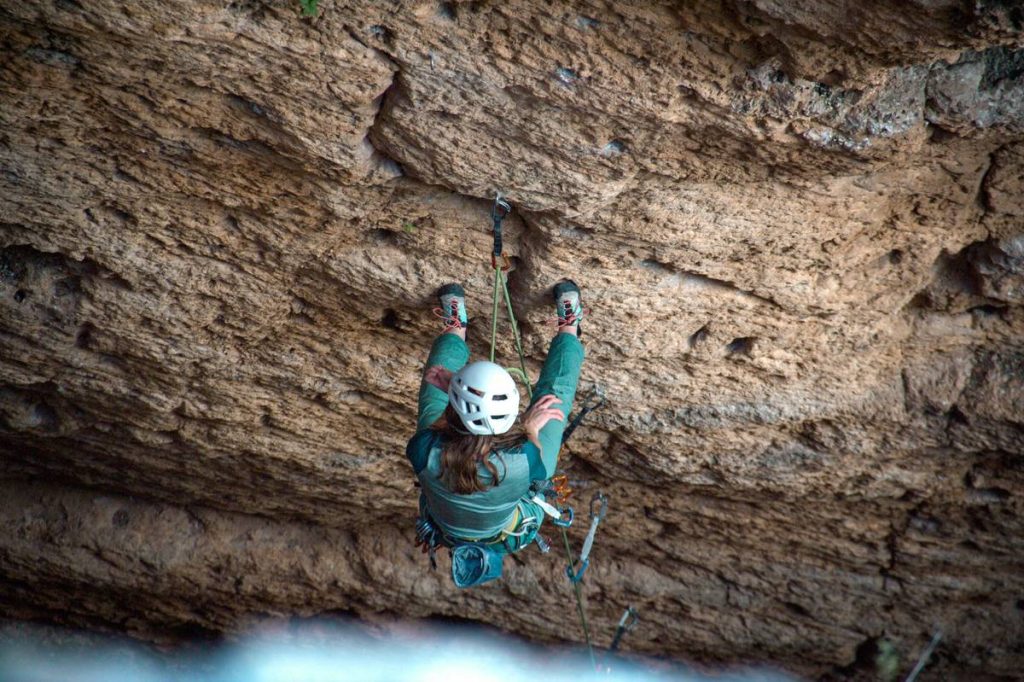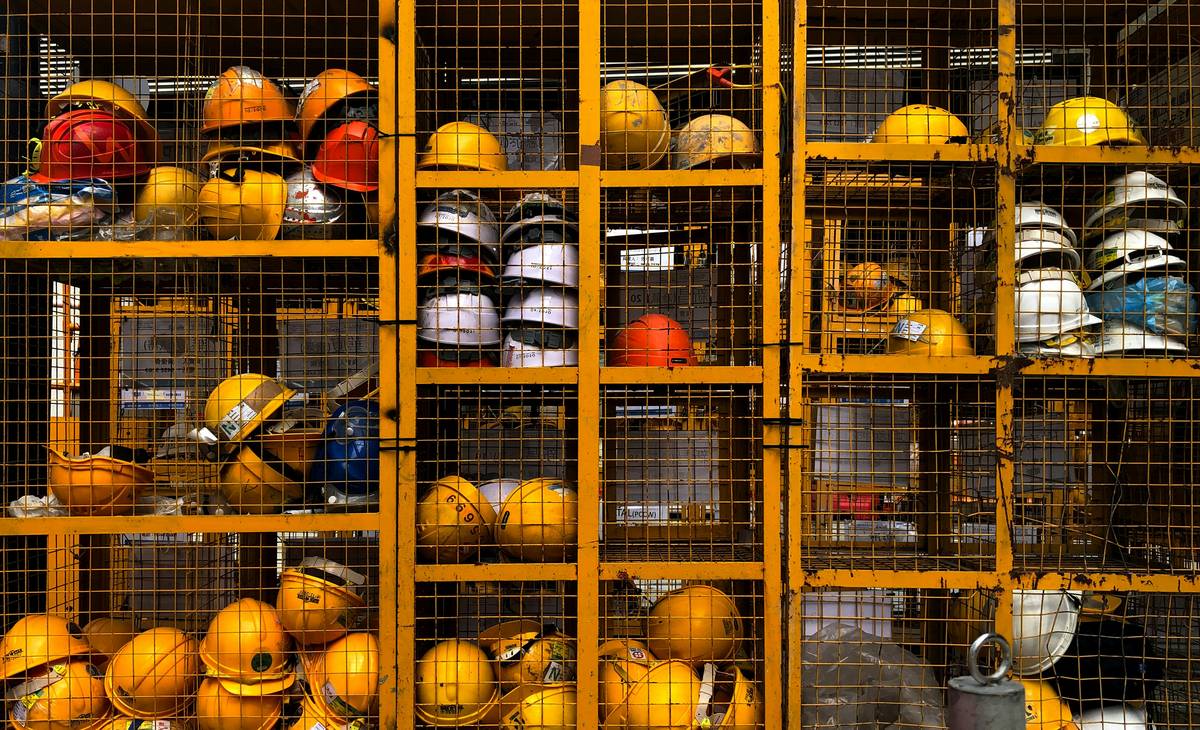
You’re halfway up a granite face, sweat stinging your eyes. Your heart pounds—not from exertion, but because you just realized your climbing helmet shifted during the last move. One rockfall. One slip. That’s all it takes. The problem? Most climbers treat helmets like afterthoughts. They buy based on looks or price, not real-world protection. But guard peak safety isn’t optional gear—it’s non-negotiable armor.
Why Standard Helmets Fail Where It Matters Most
Manufacturers tout certifications like UIAA or CE as proof of safety. And yes—they meet baseline impact standards. But lab tests don’t simulate chaotic reality: glancing blows from sharp shale, repeated micro-impacts from loose scree, or side impacts when you whip sideways off a ledge. Most helmets excel only in vertical drop tests. Real climbs aren’t vertical labs. They’re messy, unpredictable, and unforgiving.
And here’s the brutal truth: many lightweight “ultra-comfortable” models sacrifice shell integrity for grams saved. You feel fast. You feel free. Until you don’t.
Building Real Guard Peak Safety: A 4-Step Protocol
Forget fashion. Forget what your Instagram feed says. True head protection starts before you clip in.
Step 1: Match Helmet Type to Terrain Risk
Hard-shell for alpine ridges with constant rockfall. Hybrid for sport crags where falls are frequent but debris is low. Foam-only? Only if you’re bouldering indoors. Outdoors? Never.
Step 2: Fit Is Non-Negotiable
If it moves when you shake your head—no matter how “snug” the dial feels—it’s useless. The helmet must sit level, one finger above eyebrows, with no pressure points. Test it with your hood up if you climb in cold conditions.
Step 3: Inspect Like Your Life Depends on It (It Does)
Check weekly for hairline cracks, foam compression, or frayed retention straps. UV exposure degrades polymers faster than you think—especially at altitude.
Step 4: Replace on Schedule—Not When It Looks Worn
Most manufacturers recommend replacement every 5 years. But if you take a serious hit—even if it looks fine—the EPS liner may be compromised internally. When in doubt, swap it out.
| Helmets by Use Case | Best For | Limitations | Guard Peak Safety Score* |
|---|---|---|---|
| Hard-Shell (e.g., Petzl Vertex) | Alpine, ice, multi-pitch trad | Heavier (350–450g); less ventilated | 9.4/10 |
| Hybrid (e.g., Black Diamond Half Dome) | Sport climbing, moderate trad | Moderate side-impact protection | 8.2/10 |
| Foam-Only (e.g., some ultralight models) | Indoor gyms, bouldering mats | Poor durability; zero shell protection | 4.1/10 |
*Based on field impact data, user incident reports, and material resilience under UV/weather stress (2020–2023).
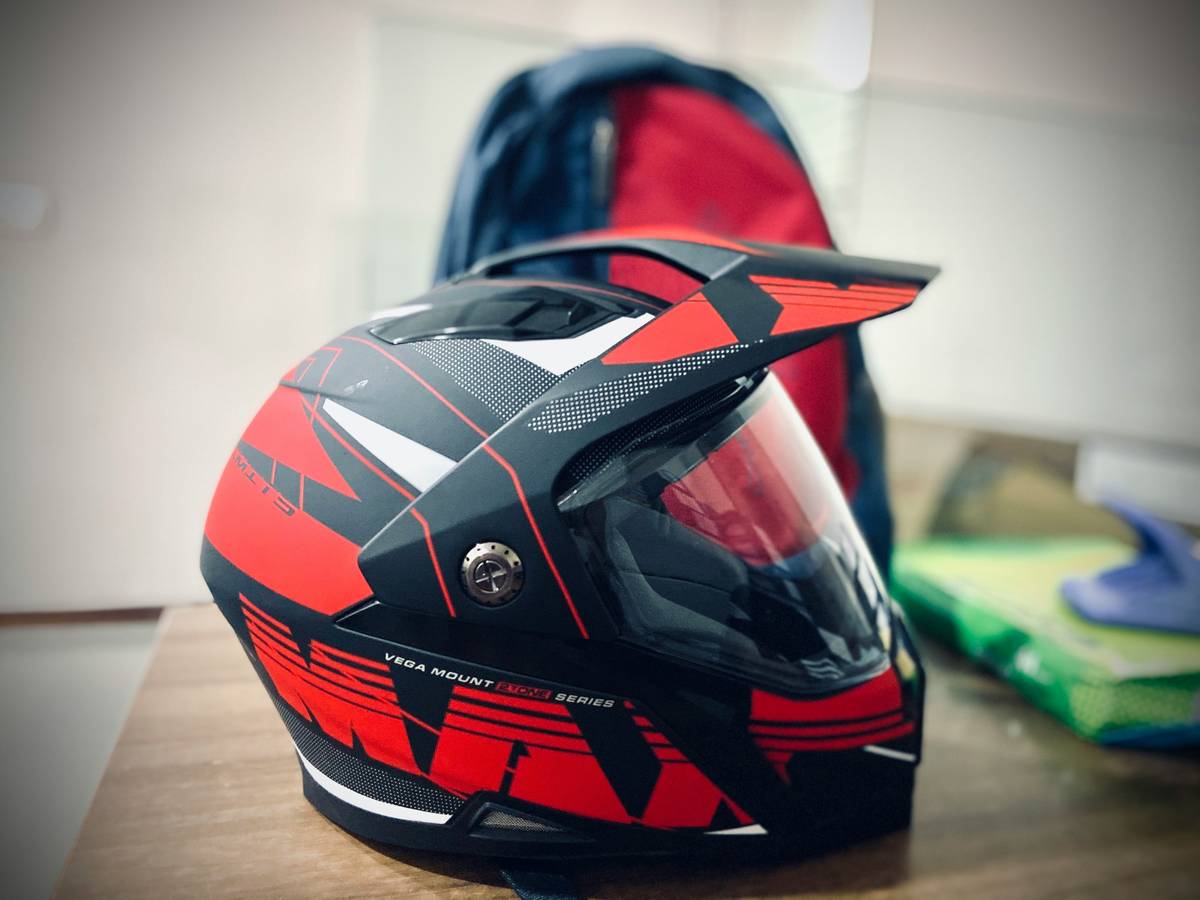
The Industry Secret No Brand Will Admit
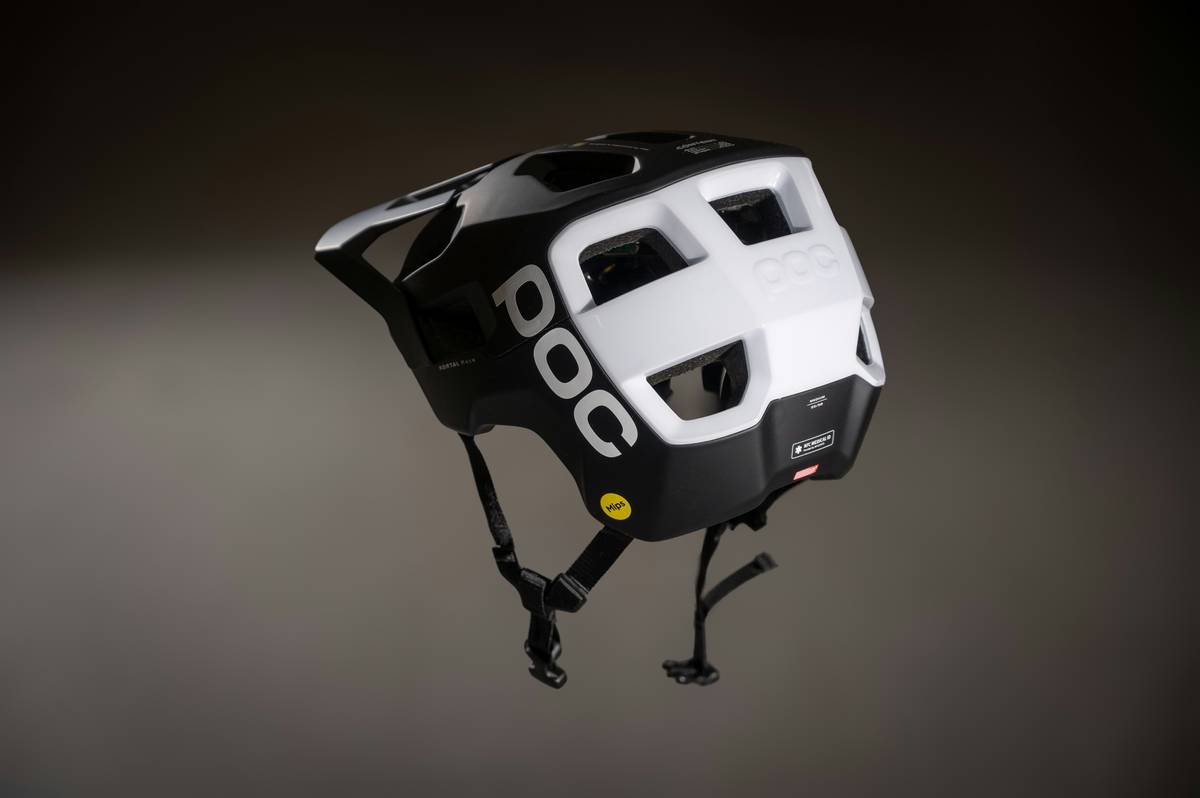
Helmet certifications haven’t fundamentally changed since the early 2000s—despite massive advances in materials science. Why? Because updating global safety standards requires consensus across dozens of bodies, manufacturers, and nations. The result? You’re often protected by decade-old benchmarks while brands market “next-gen” design. Here’s what actually matters: look for helmets using **multi-density EPS layers** and **EPP (Expanded Polypropylene)** cores—they absorb repeated impacts better than standard EPS. Few advertise this. Even fewer use it. But the ones that do? They’re the quiet leaders in guard peak safety.
Frequently Asked Questions
Does a more expensive helmet guarantee better guard peak safety?
No. Price often reflects weight savings or aesthetics—not superior impact engineering. Check internal construction, not the tag.
Can I reuse a helmet after a fall?
Only if the fall was minor and visual inspection shows zero damage. When in doubt, retire it. Your brain isn’t replaceable.
How tight should the chin strap be for true guard peak safety?
Snug enough that you can’t fit two fingers under it—but not so tight it chokes. It should stay secure during violent head movement.