You trust your climbing helmet to protect your skull—but what shields the helmet itself from hidden failure points? A cracked shell, degraded foam, or worn retention system won’t scream warnings. It’ll just fail when you need it most. That’s where a true safety helmet guard mindset comes in—not as gear, but as proactive vigilance.
Why Most Climbers Get Helmet Safety Wrong
They treat helmets like fire-and-forget tools. Buy once. Strap on. Assume it works forever.
But UV exposure, sweat corrosion, and micro-impacts silently degrade materials. And many “certified” helmets pass lab tests but lack real-world durability under repeated stress. Think about it: would you climb with frayed ropes just because they “passed inspection” three years ago?
The truth? Certification labels aren’t expiration dates. They’re starting points. Without active guarding—inspection, rotation, and smart usage—your helmet is theater, not armor.
How to Build a Real Safety Helmet Guard System
Inspect Like a Pro (Not a Passenger)
Look beyond surface scratches. Press the EPS foam lining—does it rebound quickly or stay indented? Check goggle clips and strap anchors for hairline cracks. Shine a headlamp inside the shell at night; pinholes or delamination glow under direct light. And yes—drop-test isn’t advised. But tapping the shell can reveal hollow spots vs. solid resonance.
Rotate Before You Regret
Even unused helmets expire. Most manufacturers recommend retirement after 5–10 years. Active climbers? Replace every 2–3 seasons. Salt, sun, and daily abrasion accelerate decay faster than textbooks admit.
Store Smart—Not Just Stowed
Never leave your helmet in a hot car or damp garage. Heat warps shells; moisture weakens adhesives. Store it crown-down on a clean shelf—never hung by straps, which stretch retention systems over time.
| Habit | Amateur Approach | Safety Helmet Guard Standard |
|---|---|---|
| Inspection Frequency | Before big trips only | Pre- and post-every climb |
| Replacement Trigger | Visible damage or after a fall | Every 24 months of regular use—even if flawless |
| Storage Method | Tossed in gear bag or truck bed | Ventilated, temperature-stable space; never compressed |
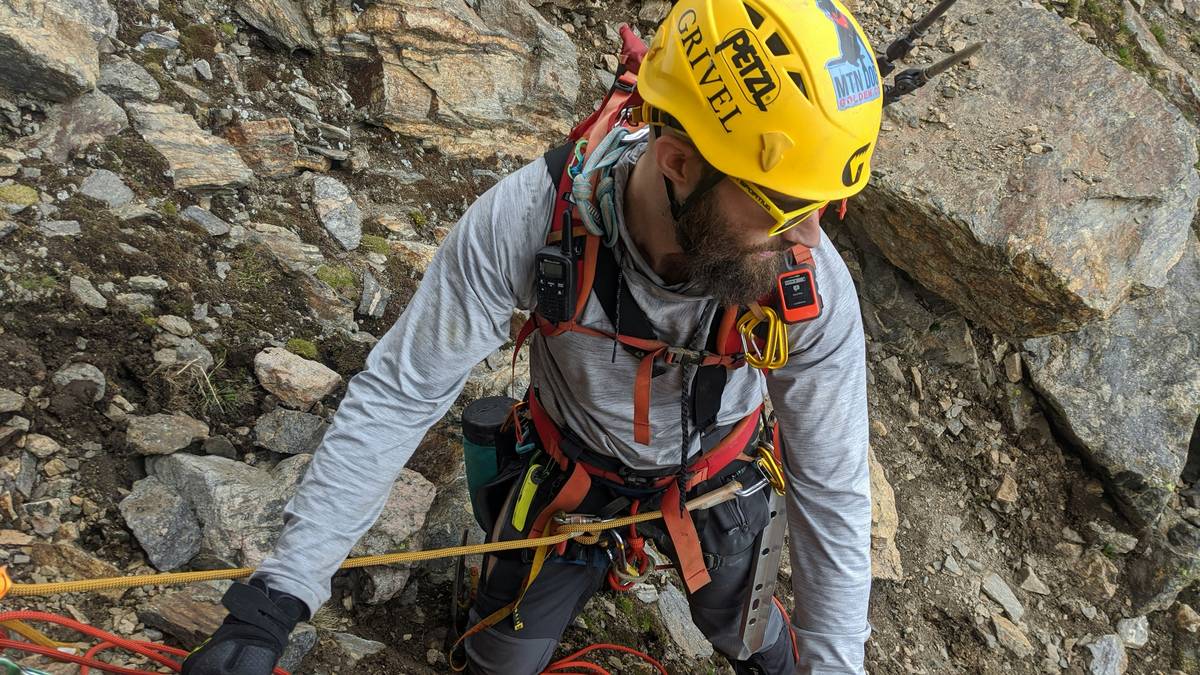
The Industry Secret No Brand Wants You to Know
Here’s the reality: helmet certification (CE, UIAA, ANSI) tests single-impact performance. But real climbing involves hundreds of tiny knocks—rock scrapes, ice tool taps, pack compression. These don’t register as “impacts” in labs, yet they fatigue the polymer matrix over time.
And most brands won’t tell you this: the chin strap’s weakest link isn’t the buckle—it’s the stitching where webbing meets foam. Sweat + friction = slow unraveling. I’ve seen helmets hold a direct hit… then detach mid-fall because the strap tore at the anchor point. That’s why a true safety helmet guard protocol includes tactile strap integrity checks—pull gently, listen for fiber snaps, watch for frayed ends.
Frequently Asked Questions
Can I reuse a climbing helmet after a minor fall?
No—even small drops can crush internal foam cells invisibly. If it hits rock or ice with force, retire it immediately. Your brain isn’t worth the gamble.
Do colored helmets degrade faster than white ones?
Yes. Dark pigments absorb more UV radiation, accelerating shell brittleness. Lighter helmets last longer in sunny alpine environments—though fit and certification matter more than color alone.
Is a safety helmet guard necessary for indoor climbing?
Barely. Indoor walls rarely cause head trauma. But if you train outdoors even occasionally, treat all helmets as mixed-use—and guard accordingly.