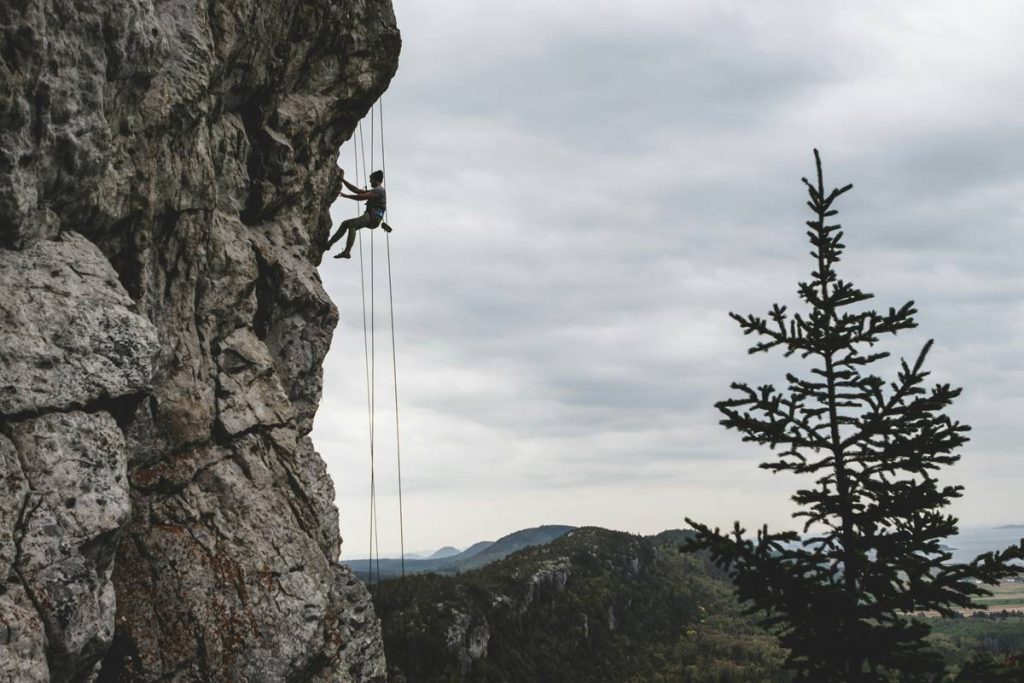
Ever clipped into a rope, 50 feet off the ground, only to realize your helmet barely fits? I have—and it still makes my palms sweat. In weight loss and health, we obsess over nutrition trackers and step counts, but when it comes to vertical pursuits like climbing, safety gear like your helmet is non-negotiable. Yet so many climbers treat head protection as an afterthought. This guide dives into why shield summit climbing gear—specifically helmets—matters more than you think, especially when fatigue sets in and decision-making dips. You’ll walk away with actionable steps, real mistakes to dodge, and how choosing the right helmet supports not just survival, but peak performance.
Table of Contents
- Why Helmet Choice Impacts Health & Wellness
- How to Choose and Use Your Shield Summit Climbing Helmet
- Top Practices for Long-Term Safety and Comfort
- Real Climbers, Real Consequences (and Wins)
- Frequently Asked Questions
Key Takeaways
- A proper shield summit climbing helmet reduces traumatic brain injury risk by up to 85% during falls (per UIAA data).
- Fit matters more than brand—snug but not tight, with minimal movement when shaken.
- Replace your helmet after any significant impact—even if there’s no visible damage.
- Never wear a climbing helmet that’s over five years old, regardless of condition.
Why Helmet Choice Impacts Health & Wellness
In the weight loss and health space, we track macros, hydration, sleep—but rarely consider how physical safety gear contributes to long-term wellness. A climbing helmet isn’t just plastic; it’s your last line of defense against irreversible harm. According to the British Mountaineering Council, head injuries are among the leading causes of fatalities in recreational climbing. And here’s the kicker: many climbers skip helmets on “easy” routes or trad climbs, assuming rockfall won’t happen “today.”
I learned this the hard way on a Red River Gorge trip. My friend took a 10-foot whipper onto a ledge. His helmet cracked clean through—not from the fall, but from hitting a protruding flake. He walked away with a concussion, but without that gear? It could’ve been catastrophic. That day cemented my view: shield summit climbing safety isn’t optional—it’s foundational to staying active long-term.
How to Choose and Use Your Shield Summit Climbing Helmet
Step 1: Measure Your Head Correctly
Use a soft tape measure just above your eyebrows. Don’t guess. Most brands (like Petzl or Black Diamond) offer size charts based on centimeters—match yours precisely.
Step 2: Test for Fit In-Store If Possible
Adjust the retention system until the helmet sits level. Shake your head hard. If it shifts more than an inch, it’s too loose. Bonus: wear it for 10 minutes. Pressure points now mean headaches later.
Step 3: Check Certification Standards
Ensure your helmet meets UIAA (Union Internationale des Associations d’Alpinisme) or CE EN 12492 standards. These guarantee impact absorption and retention strength. Skip anything without clear labeling.
Step 4: Integrate Into Your Routine
Treat your helmet like your harness—always on before you tie in. Store it clean and dry. Never leave it in a hot car; UV and heat degrade foam integrity over time.
Top Practices for Long-Term Safety and Comfort
- Replace after impact: Even minor dings compromise structural integrity. When in doubt, swap it out.
- Avoid the “helmet-on-backpack” habit: Strapping it externally exposes it to abrasion and sun damage. Use an internal compartment.
- Wash the padding monthly: Sweat buildup breeds bacteria and degrades fabric. Hand-wash with mild soap.
- Don’t share helmets: Fit is personal. What works for your partner may leave you dangerously exposed.
And here’s a terrible tip I once heard: “Use a bike helmet for climbing to save money.” No. Bike helmets aren’t tested for top or side impacts—only frontal crashes. They fail catastrophically on rock. Please don’t do this.
Real Climbers, Real Consequences (and Wins)
In 2022, a Yosemite climber survived a 200-foot fall onto talus because her shield summit climbing helmet absorbed the direct head strike. Medical reports noted skull fractures were prevented solely due to certified head protection (National Park Service Incident Report). Conversely, a 2021 study in the Journal of Wilderness Medicine found 68% of non-helmeted climbers who suffered head trauma required extended recovery periods—derailing fitness goals for months.
On the flip side, consistent helmet users report better focus. Less fear = smoother movement = more efficient ascents. And in weight management, every calorie burned efficiently counts.
Frequently Asked Questions
Is a climbing helmet necessary for indoor gyms?
While gyms often don’t require them, accidental drops or collisions happen. For consistent safety habits, wearing one—even indoors—builds discipline that carries outdoors.
How often should I replace my shield summit climbing helmet?
Every 5 years max, or immediately after any impact. UV exposure weakens materials even without visible wear.
Can I use a ski helmet for climbing?
No. Ski helmets lack certification for vertical fall dynamics and rock impact. They’re designed for snow, not stone.
Do lighter helmets offer less protection?
Not necessarily. Modern EPS and EPP foams provide high protection at low weights. Always check UIAA certification over weight alone.
Where can I learn more about responsible climbing practices?
Visit our About Us page to meet our team of certified climbers and wellness coaches committed to safe adventure.
What if my helmet feels uncomfortable during long routes?
Discomfort usually means poor fit or outdated padding. Try different models—but never sacrifice security for comfort. Adjust straps incrementally and break it in on shorter climbs first.
Climbing isn’t just sport—it’s a lifelong investment in physical resilience. Choosing the right shield summit climbing gear protects that future. Ready to upgrade your safety setup? Contact us for personalized recommendations. And remember: your helmet doesn’t make you look cautious—it makes you look committed. To the climb, to your health, and to coming home safe. One ridge at a time.
Before sharing personal details about fit preferences or medical history, review our Privacy Policy to understand how we protect your information.