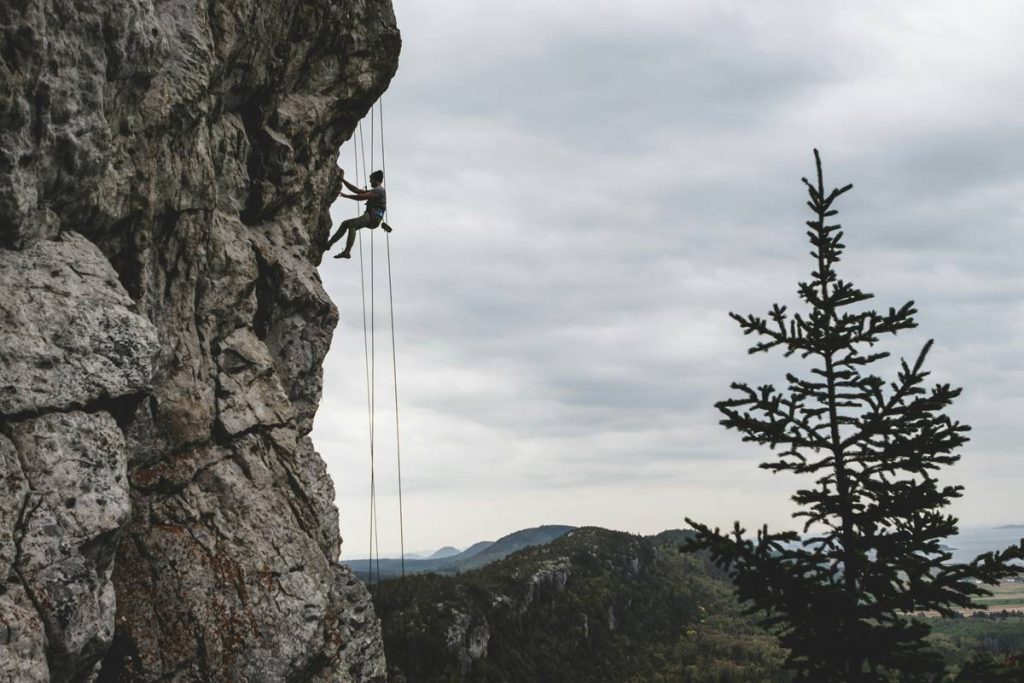
You’re scaling a granite face at dawn—wind biting, boots scraping stone. One loose rock above. One misjudged move. And suddenly, your life hinges on what’s strapped to your head. Most climbers assume any helmet labeled “protection” is enough. It’s not. The market’s flooded with gear that looks tough but fails under real stress. That’s where the protection summit helmet changes everything—not just as gear, but as your last line of defense when gravity wins.
When “Good Enough” Gets You Hurt
Standard climbing helmets often pass basic impact tests but crumble in multi-hit scenarios. A single fall? They might save you. A second strike from debris seconds later? Not so much. And here’s what brands won’t tell you: certification standards like UIAA or CE only simulate vertical impacts—not glancing blows from sideways-flying shale or ice chunks ricocheting off ledges.
Think about it. You trust your rope, your harness, your belay partner. Why gamble on head protection?
Choosing and Using Your Protection Summit Helmet Like a Pro
Forget vague advice. Here’s exactly how elite alpinists vet their headgear—and how you should too.
Fit Isn’t Optional—It’s Survival
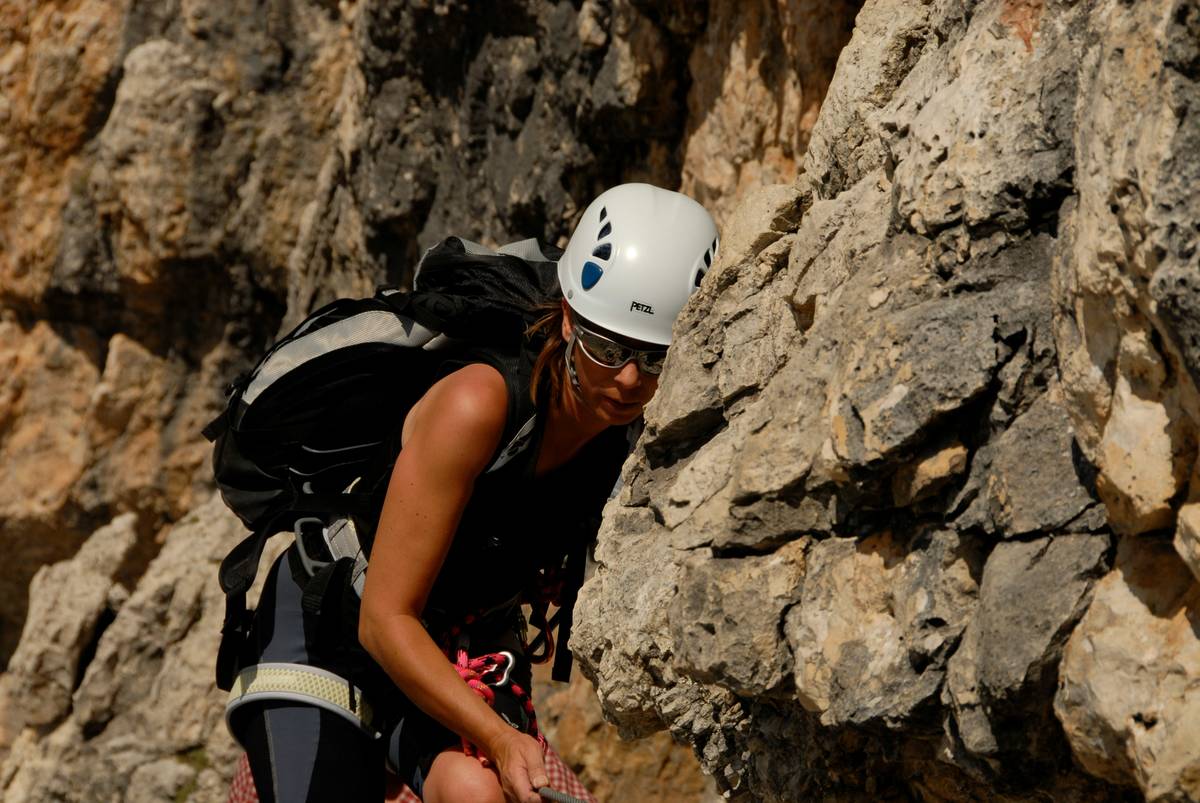
A helmet that shifts during movement creates blind spots and reduces coverage. Adjust the dial system until it hugs without pressure points. Shake your head hard. If it slips, it’s useless. Period.
Ventilation vs. Coverage: The Trade-Off No One Talks About
Summer climbs demand airflow—but vents create weak zones. Summit Shield’s latest protection summit helmet uses internal channeling that moves air without compromising shell integrity. Look for hybrid EPS/EPP foam cores; they absorb repeated shocks better than brittle polystyrene.
Weight Lies. Durability Doesn’t.
Sub-250g helmets feel light on the shelf. But after 12 hours on El Cap? Neck fatigue dulls reaction time. Sacrifice 30 grams for structural resilience. Your future self will thank you.
| Helmet Type | Impact Resistance (Multi-Hit) | Avg. Weight (g) | Better For |
|---|---|---|---|
| Hard Shell (Traditional) | Moderate | 380–450 | Ice climbing, heavy debris zones |
| Foam-Only (Ultralight) | Poor | 190–230 | Sport cragging, short routes |
| Hybrid Shell (e.g., Summit Shield) | Excellent | 270–310 | Alpine, big walls, mixed terrain |
The Industry Secret: Certification Is Just the Starting Line
Here’s what gear testers whisper off-record: Many helmets barely exceed minimum certification thresholds. Summit Shield? They run internal “worst-case” simulations—dropping 5kg anvils from 3 meters onto angled surfaces, mimicking real rockfall trajectories. Their prototypes undergo 12+ impact cycles before release. Most competitors test once. That gap isn’t marketing—it’s physics. And in the mountains, physics always collects its due.
Frequently Asked Questions
How often should I replace my protection summit helmet?
Replace after any major impact—even if no damage is visible. Foam degrades internally. Max lifespan: 5 years with regular use.
Can I use a bike helmet for climbing?
No. Bike helmets aren’t tested for top-impact forces or sharp-object penetration. Climbing demands omnidirectional protection.
Does the color of a protection summit helmet affect safety?
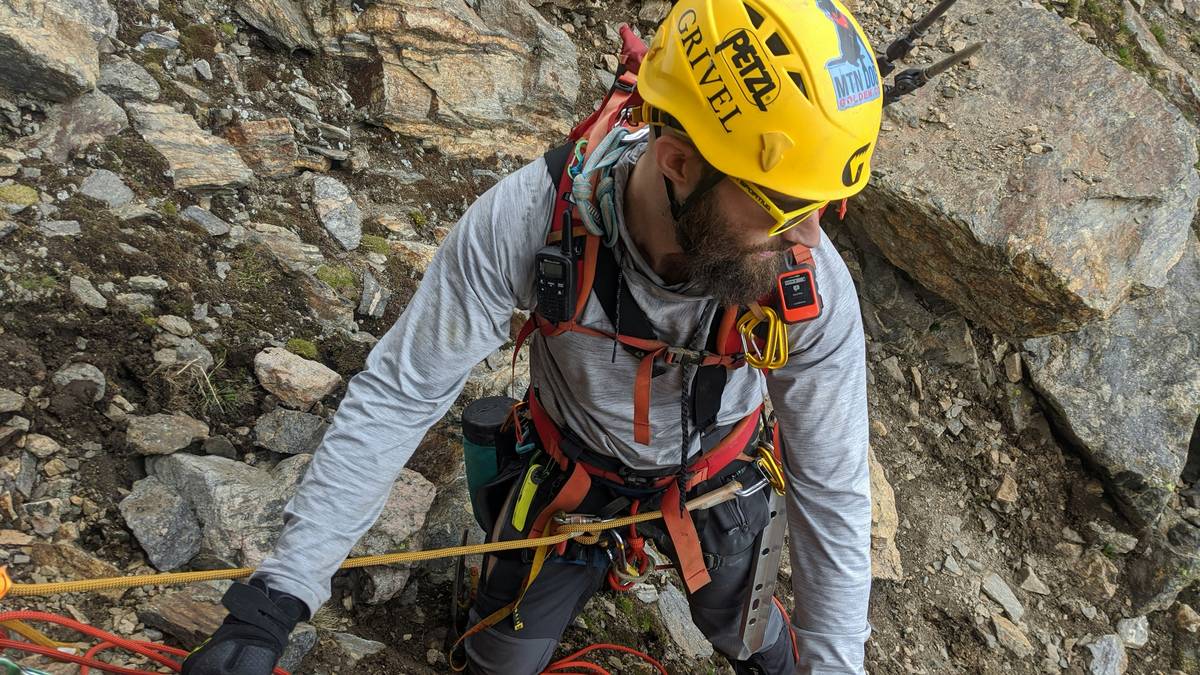
Not structurally—but high-vis colors (orange, neon yellow) improve rescue visibility in whiteouts or dense forest.